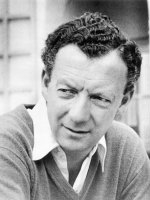
Paul Bunyan, op. 17
Testo del libretto
| PROLOGO | |
| N° 1 – Introduzione | |
| N° 2 – Prologo nella foresta | |
| Nella foresta | |
| CORO DEI VECCHI ALBERI | |
| Since the birth Of the earth Time has gone On and on: Rivers saunter. Rivers run, Till they enter The enormous level sea, Where they prefer to be. |
Dalla nascita Della terra È trascorso Molto tempo: I fiumi si muovono, I fiumi scorrono, Finché non entrano Nell’enorme distesa del mare, Dove preferiscono stare. |
| But the sun Is too hot, And will not Let alone Waves glad-handed, Lazy crowd, Educates them Till they change into a cloud, But can’t control them long. |
Ma il sole È troppo caldo, E non lascerà Da sole Le allegre onde, Nella loro indolenza. Le istruisce Affinché esse si trasformino in una nuvola, Ma non può controllarle a lungo. |
| For the will Just to fall Is too strong In them all; Revolution Turns to rain Whence more solid Sensible Creatures gain: In falling they serve life. |
Perché la volontà Di ricadere È troppo forte In tutte loro; Il ciclo Le trasforma in pioggia Dalla quale più solide Sensibili creature hanno vantaggio: Nel ricadere essere servono la vita. |
| Here are we Flower and tree, Green, alive, Glad to be, And our proper Places know: Winds and waters Travel; we remain and grow; We like life to be slow. |
Noi siamo qui Fiori ed alberi, Verdi, vivi, Lieti di esistere. E conosciamo Il nostro posto: I venti e le acque Viaggiano; noi stiamo fermi e cresciamo; Noi amiamo una vita che scorra lentamente. |
| QUATTRO GIOVANI ALBERI | |
| No. No. No. No. | No. No. No. No. |
| CORO DEI VECCHI ALBERI | |
| O. | O. |
| QUATTRO GIOVANI ALBERI | |
| We do Not want life to be slow. | Noi non vogliamo che la vita sia lenta. |
| CORO DEI VECCHI ALBERI | |
| Reds. | Rossi. |
| QUATTRO GIOVANI ALBERI | |
| We are bored with standing still, We want to see thing and go places. |
Noi siamo annoiati a stare fermi, Vogliamo vedere cose e viaggiare. |
| CORO DEI VECCHI ALBERI | |
| Such nonsense. It’s only a phase. They’re sick. They’re crazy. |
Che sciocchezza. È solo un periodo. Essi sono malati. Essi sono pazzi. |
| (Entrano due oche selvatiche) | |
| DUE OCHE SELVATICHE | |
| Ooh! O how terrible to be As old-fashioned as a tree: Dull old stick that won’t go out; What on earth do they talk about? Unexpressive, Unprogressive, Unsophisticated lout. How can pines or grass or sage Understand the Modern Age? |
Ooh! Come è terribile essere Vecchi come un albero: Torpido vecchio bastone che non vuole muoversi; Che interessi hanno gli alberi sulla terra? Sono inespressivi, Non progrediscono, Sono zoticoni poco sofisticati. Come possono i pini, l’erba, la salvia Capire l’Età Moderna? |
| (Entra la terza oca) | |
| Ooh! What’s up. Eh? Do tell us, quick! |
Ooh! Che cose c’è? Diccelo, presto! |
| TRE OCHE SELVATICHE | |
| That’s the best I ever herad! Shall we tell them? Now? You are all to leave here. |
Questa è la cosa migliore che io abbia udito! Dobbiamo dirla a loro? Ora? State tutti per abbandonare questo posto. |
| CORO DEI VECCHI ALBERI | |
| What? It’s a lie! |
Che cosa? È una bugia! |
| QUATTRO GIOVANI ALBERI | |
| Hurrah! | Urrà! |
| CORO DEI VECCHI ALBERI | |
| Don’t listen! | Non ascoltate! |
| QUATTRO GIOVANI ALBERI | |
| How? | Come? |
| TRE OCHE SELVATICHE | |
| Far away from here A mission will find a performer. |
Lontano da qui Una missione ha trovato un esecutore. |
| CORO DEI VECCHI ALBERI | |
| A mission? What mission? |
Una missione? Quale missione? |
| TRE OCHE SELVATICHE | |
| To bring you to another life. | Portarvi a un’altra vita. |
| QUATTRO GIOVANI ALBERI | |
| What kind of performer? | Che genere di esecutore? |
| TRE OCHE SELVATICHE | |
| A Man. | Un uomo. |
| QUATTRO GIOVANI ALBERI | |
| What is a man? | Che cosa è un uomo? |
| CORO DEI VECCHI ALBERI | |
| What is a man? | Che cosa è un uomo? |
| TRE OCHE SELVATICHE | |
| A man is a form of life That dreams in order to act And acts in order to dream And has a name of his own. |
Un uomo è una forma di vita Che sogna per agire E agisce per i suoi sogni Ed ha un nome proprio. |
| QUATTRO GIOVANI ALBERI E CORO DEI VECCHI ALBERI | |
| What is this name? | Qual è il suo nome? |
| TRE OCHE SELVATICHE | |
| Paul Bunyan. | Paul Bunyan. |
| CORO DEI VECCHI ALBERI | |
| How silly. | Com’è sciocco. |
| QUATTRO GIOVANI ALBERI | |
| When are we to see him? | Quando lo vedremo? |
| TRE OCHE SELVATICHE | |
| He will be born at the next Blue Moon. | Egli nascerà alla prossima Luna Blu. |
| CORO DEI VECCHI ALBERI | |
| It isn’t true, I’m so frightened. Don’t worry. There won’t be a Blue Moon in our lifetime. Don’t say that. It’s unlucky. |
Non è vero, sono così spaventato. Non importa. Non ci sarà una Luna Blu nel tempo di nostra vita. Non dire questo. Porta sfortuna. |
| (La luna comincia ad assumere un colore blu) | |
| QUATTRO GIOVANI ALBERI | |
| Look at the moon! It’s turning blue. | Guarda la luna! Sta diventando blu. |
| CORO DEI VECCHI ALBERI | |
| Look at the moon! It’s turning blue. | Guarda la luna! Sta diventando blu. |
| TRE OCHE SELVATICHE | |
| It isn’t very often the conservatives are wrong, Tomorrow normally is only yesterday again, Society is right in saying nine times out of ten Respectability’s enough to carry one along. |
Non succede molto spesso che i conservatori abbiano torto, Normalmente il domani è solo di nuovo ieri, La società ha ragione nel dire nove volte su dieci Che la rispettabilità è sufficiente per portare uno lontano. |
| CORO DEI VECCHI ALBERI | |
| But once in a while the odd thing happens, Once in a while the dream comes true, And the whole pattern of life is altered, Once in a while the moon turns blue. |
Ma per una volta accade la cosa sbagliata, Per una volta il sogno diventa realtà, E l’intero modello della vita viene alterato, Per una volta la luna diventa blu. |
| SEMICORO DI VECCHI ALBERI | |
| We can’t pretend we like it, that it’s what we’d choose, But what’s the point in fussing when one can’t refuse And nothing is as bad as one thinks it will be, The children look so happy – Well, well, we shall see. |
Noi non possiamo pretendere che ci piaccia, che sia quello che abbiamo scelto, Ma quale sia il momento di preoccuparsi quando non si può rifiutare, E nulla è così cattivo come si pensa che dovrebbe essere, I bambini sembrano così felici – Bene, bene, vedremo. |
| QUATTRO GIOVANI ALBERI | |
| I want to be a vessel sailing on the sea, I want to be a roof with houses under me, I’ve always longed for edges, and I’d love to be a square. How swell to be a dado and how swell to be a chair. |
Voglio essere un vascello che naviga nel mare Voglio essere un tetto con una casa sotto di me, Ho sempre ambito a essere una cosa definita, e io amo essere un quadrato. Come sarebbe bello essere un dado e come sarebbe bello essere una sedia. |
| TUTTI | |
| But once in a while the odd thing happens, Once in a while the dream comes true, And the whole pattern of life is altered, Once in a while the moon turns blue. |
Ma per una volta succede la cosa sbagliata, Per una volta il sogno diventa realtà, E l’intero modello della vita viene alterato, Per una volta la luna diventa blu. |
| N° 2a – Prima ballata interludio | |
| NARRATORE | |
| The cold wind blew through the crooked thorn, Up in the North a boy was born. |
Il freddo vento soffia sui torti biancospini, Su nel Nord un bambino è nato. |
| His hair was black, his eyes were blue, His mouth turned up at the corners too. |
I suoi capelli sono neri, i suoi occhi blu. La sua bocca ha gli angoli voltati in alto. |
| A fairy stood beside his bed; ‘You shall never, never grow old,’ she said, |
Una fata era accanto al suo letto: ‘Tu non diventerai mai, mai vecchio’, ella disse. |
| ‘Paul Bunyan is to be your name’; Then she departed whence she came. |
‘Paul Bunyan sarà il tuo nome’; Quindi se ne andò da dove era venuta. |
| You must believe me when I say, He grew six inches every day. |
Dovete credermi quando dico, che egli cresceva sei pollici ogni giorno. |
| You must believe me when I speak, He gained three-four-six pounds every week. |
Dovete credermi quando parlo, Ogni settimana pesava tre-quattro-sei pounds in più. |
| He grew so fast, by the time he was eight, He was as tall as the Empire State. |
Egli cresceva così in fretta, che all’età di otto anni Era già alto come l’Empire State Building. |
| The length of his stride’s a historical fact; Three point seven miles to be exact. |
La lunghezza del suo passo è un fatto storico; Tre virgola sette miglia per essere esatti. |
| When he ordered a jacket, the New England mills For months had no more unemployment ills. |
Quando ordinò una giacca, gli opifici del New England Per mesi non vi fu disoccupazione. |
| When he wanted a snapshot to send to his friends, They found they had to use a telephoto lens. |
Quando volle un’istantanea da mandare ai suoi amici, Essi si accorsero che dovevano usare lenti da telefoto. |
| But let me tell you in advance, His dreams were of greater significance. |
Ma lasciatemi dire per prima cosa, I suoi sogni erano di significato più grande. |
| His favourite dream was of felling trees, A fancy which grew by swift degrees. |
Il suo sogno favorito era di abbattere alberi, Una fantasia che crebbe molto rapidamente. |
| One night he dreamt he was to be The greatest logger in history. |
Una notte egli sognò di essere Il più grande taglialegna della storia. |
| He woke to feel something stroking his brow, And found it was the tongue of an enormous cow. |
Egli si svegliò a sentire qualche cosa che gli colpiva la fronte, E vide che era la lingua di una enorme vacca. |
| From horn to horn or from lug to lug, Was forty-seven axe-heads and a baccy plug. |
Da corno a corno o da orecchio a orecchio, Era quarantasette teste di ascia e una presa di tabacco. |
| But what would have most bewildered you Was the colour of her hide which was bright bright blue. |
Ma quello che aveva di più sconcertante Era il colore della sua pelle che era di un blu molto brillante. |
| But Bunyan wasn’t surprised at all; Said, ‘I’ll call you Babe, you call me Paul.’ |
Ma Bunyan non era affatto sorpreso; Disse, ‘Io chiamo te Babe, tu chiami me Paul.’ |
| He pointed to a meadow, said, ‘Take a bite: For you’re leaving with me for the South tonight.’ |
Indicando un prato, disse, ‘Mangia qualche cosa: Perché stanotte partirai con me per il Sud.’ |
| Over the mountains, across the streams They went to find Paul Bunyan’s dreams. |
Sopra le montagne, attraverso i fiumi Essi andarono a trovare i sogni di Paul Bunyan. |
| The bear and the beaver waved a paw, The magpie chattered, the squirrel swore. |
L’orso e il castoro agitarono la zampa, la gazza chiacchierò, lo scoiattolo imprecò. |
| The trappers ran out from their lonely huts Scratching their heads with their rifle butts. |
I cacciatori corsero fuori dalle loro solitarie baracche Grattandosi la testa con il calcio del fucile. |
| For a year and a day they travelled fast. ‘This is the place’, Paul said at last. |
Per un anno e un giorno essi viaggiarono velocemente. Alla fine Paul disse: ‘Questo è il posto.’ |
| The forest stretched for miles around, The sound of their breathing was the only sound. |
La foresta si estendeva per miglia attorno, Il suono del loro respiro era l’unico suono. |
| Paul picked a pine-tree and scratched his shins, Said, ‘This is the place where our work begins.’ |
Paul prese un ramo di pino e si grattò le gambe, E disse ‘Questo è il posto dove cominceremo a lavorare.’ |
| ATTO PRIMO | |
| Scena prima | |
| Una radura nella foresta | |
| N° 3 – Il saluto di Bunyan | |
| VOCE DI PAUL BUNYAN | |
| It is a spring morning without benefit of young
persons. It is a sky that has never registered weeping or rebellion. It is a forest full of innocent beasts. There are none who blush at the memory of an ancient folly, none who hide beneath dyed fabrics a malicious heart. It is America, but not yet. Wanted. Disturbers of public order, men without foresight or fear. Wanted. Energetic madman. Those who have thought themselves a body large enough to devour their dreams. Wanted. The lost. Those indestructibles whom defeat can never change. Poets of the bottle, clergymen of a ridiculous gospel, actors who should have been engineers and lawyers who should have been sea-captains, saints of circumstance, desperados, unsuccessful wanderers, all who can hear the invitation of the earth, America, youngest of her daughter, awaits the barbarians of marriage. |
È una mattina di primavera senza il vantaggio
di giovani persone. È un cielo che non ha mai registrato pianto o ribellione. È una foresta piena di bestie innocenti. Non c’è nessuno che arrossisce al ricordo di un’antica follia, nessuno che nasconde sotto morti edifici un cuore malizioso. È l’America, ma non ancora. Ricercati. Disturbatori dell’ordine pubblico, uomini senza prudenza o paura. Ricercati. Matti energetici. Quelli che hanno immaginato per se stessi un corpo abbastanza grande da divorare i loro sogni. Ricercati. I perduti. Gli indistruttibili che una sconfitta non può cambiare. Poeti della bottiglia, sacerdoti di un ridicolo vangelo, attori che avrebbero dovuto essere ingegneri, e avvocati che avrebbero dovuto essere capitani di marina, santi per circostanza, desperados, vagabondi senza successo, tutti coloro che possono sentire l’invito della terra, America, la più giovane delle sue figlie, aspetta i barbari del matrimonio. |
| N° 3a – Richiamo dei boscaioli | |
| CORO DEI BOSCAIOLI | |
| (Inizia fuori scena e gradualmente si avvicina) | |
| Down the Line. Timber-rrr. | Tutti in fila. Timber-rrr |
| N° 4 – Coro dei boscaioli | |
| BOSCAIOLO 1 | |
| My birthplace was in Sweden, it’s a very long way off, My appetite was hearty but I couldn’t get enough; When suddenly I heard a roar across the wide blue sea, ‘I’ll give you steak and onions if you’ll come and work for me.’ |
Io sono nato in Svezia, un paese molto lontano, Il mio appetito è robusto ma non ne ho mai abbastanza; Quanto improvvisamente sentii un rombo dal vasto mare blu ‘Io ti darò bistecca e cipolle se verrai a lavorare con me.’ |
| CORO DEI BOSCAIOLI | |
| We rise at dawn of day, We’re handsome, free and gay, We’re lumberjacks With saw and axe Who are melting the forest away. |
Noi ci alziamo allo spuntar del giorno, Noi siamo belli, liberi e felici, Noi siamo boscaioli Con sega ed ascia Coloro che abbattono le foreste. |
| BOSCAIOLO 2 | |
| In France I wooed a maiden with an alabaster skin, Bur she left me for a fancy chap who played the violin; When just about to drown myself a voice came from the sky, ‘There’s no one like a shanty boy to catch a maiden’s eye.’ |
In Francia feci la corte a una ragazza con la pelle di alabastro, Ma ella mi lasciò per un tizio stravagante che suonava il violino; Quando stavo per affogarmi una voce venne dal cielo, ‘Non c’è nessuno come un ragazzo del bosco per catturare l’occhio di una ragazza.’ |
| CORO DEI BOSCAIOLI | |
| We rise at dawn, etc. | Noi ci svegliamo all’alba, ecc. |
| BOSCAIOLO 3 | |
| Oh, long ago in Germany when sitting at my ease, There came a knocking at the door and it was the police; I tiptoed down the backstairs and a voice to me did say, ‘There’s freedom in the forest out in North America.’ |
Oh, tempo fa in Germania, dove stavo a mio agio, Sentii bussare alla porta: era la polizia; Io scesi in punta di piedi le scale posteriori, e una voce mi disse, ‘C’è libertà nelle foreste del Nord America.’ |
| CORO DEI BOSCAIOLI | |
| We rise at dawn, etc. | Noi ci svegliamo all’alba, ecc. |
| BOSCAIOLO 4 | |
| In Piccadilly Circus I stood waiting for a bus, I thought I heard the pigeons say, ‘Please run away with us’; To a land of opportunity with work and food for all, Especially for shanty boys in Winter and in Fall. |
In Piccadilly Circus stavo aspettando il bus, Mi era sembrato che i piccioni dicessero: ‘Prego, vieni via con noi’; In una terra di opportunità con lavoro e cibo per tutti, Specialmente per ragazzi del bosco in Inverno e Autunno. |
| CORO DEI BOSCAIOLI | |
| We rise at dawn, etc. | Noi ci svegliamo all’alba, ecc. |
| N° 4a – Benvenuto di Bunyan | |
| VOCE DI PAUL BUNYAN | |
| Welcome and sit down, we have no time to waste. The trees are waiting for the axe and we must all make haste. So who shall be the foreman to set in hand the work To organize the logging and see men do not shirk? |
Benvenuti e sedetevi, non abbiamo tempo da sprecare. Gli alberi stanno aspettando l’ascia e noi dobbiamo affrettarci. Così chi sarà il caposquadra a prendere in mano il lavoro Per organizzare il taglio e vedere che gli uomini non si tirino indietro? |
| N° 5 – Quartetto di svedesi | |
| QUATTRO SVEDESI | |
| I. I. I. I. |
Io. Io. Io. Io. |
| CORO DEI BOSCAIOLI | |
| Why? | Perché? |
| QUATTRO SVEDESI | |
| Swedish born and Swedish bred, Strong in the arm and dull in the head. Who can ever kill a Swede? His skull is very thick indeed, But once you get an idea in, You’ll never get it out again. |
Nati in Svezia e cresciuti in Svezia, Forti di braccio e ottusi di testa. Chi potrebbe mai uccidere uno svedese? Il suo cranio è molto spesso, infatti, Ma una volta che un’idea vi è entrata, Essa non ne uscirà più. |
| VOCE DI PAUL BUNYAN | |
| What are your names? | Come vi chiamate? |
| QUATTRO SVEDESI | |
| Cross Crosshaulson. Jen Jenson. Pete Peterson. Andy Anderson. |
Cross Crosshaulson Jen Jenson Pete Peterson Andy Anderson. |
| VOCE DI PAUL BUNYAN | |
| In your opinion which of you, which one would be the best To be the leader of the few and govern all the rest? |
Secondo voi, chi sarebbe il migliore Per essere il leader, e governare tutto il resto? |
| QUATTRO SVEDESI | |
| (litigando) | |
| Why? Who? You? Oh! No, me! Oh, he! Yah! Bah! |
Chi? Tu? Oh! No, io! Oh, lui! Sì! Bah! |
| VOCE DI PAUL BUNYAN | |
| None of you, it seems, will do. We must find another. | Nessuno di voi, credo, lo farà. Dobbiamo trovarne un altro. |
| CORO DEI BOSCAIOLI | |
| Yes, but who? | Sì, ma chi? |
| N° 6 – Canzone del ragazzo delle Western Union | |
| (Entra un ragazzo della Western Union, su una bicicletta) | |
| RAGAZZO DELLE WESTERN UNION | |
| A telegram, a telegram, A telegram from oversea. Paul Bunyan is the name Of the addressee. |
Un telegramma, un telegramma, Un telegramma da oltremare. Paul Bunyan è il nome Del destinatario. |
| (esce attraversando la scena) | |
| CORO DEI BOSCAIOLI | |
| Bad News? Good News? Tell us what you’re reading. | Cattive notizie? Buone notizie? Dicci quello che stai leggendo. |
| VOCE DI PAUL BUNYAN | |
| I have a message that will please you from the King of Sweden. | Ho un messaggio che vi piacerà dal re di Svezia. |
| (legge) | |
| Dear Paul, I hear you are looking for a head-foreman, so I’m sending you the finest logger in my kingdom, Hel Helson. He doesn’t talk much. Wishing you every success. Yours sincerely, Nel Nelson. King. |
Caro Paul, Sento che stai cercando un caposquadra, così ti mando il più bravo boscaiolo del mio regno, Hel Helson. Non parla molto. Ti auguro ogni successo. Sinceramente tuo Nel Nelson. Re. |
| (mentre sta leggendo entra Hel Helson) | |
| Are you Hel Helson? | Sei tu Hel Helson? |
| HEL HELSON | |
| Aye tank so. | Sì, è così. |
| VOCE DI PAUL BUNYAN | |
| Do you know all about logging? | Sai tutto sul taglio dei tronchi? |
| HEL HELSON | |
| Aye tank so. | Sì, è così. |
| VOCE DI PAUL BUNYAN | |
| Are you prepared to be my head-foreman? | Sei pronto per essere il mio caposquadra? |
| HEL HELSON | |
| Aye tank so. | Sì, è così. |
| VOCE DI PAUL BUNYAN | |
| Then I think so too. Now for one to cook or bake Flapjacks, cookies, fish, or steak. |
Anch’io lo penso. Ora ci vuole uno per cucinare o cuocere Frittelle, biscotti, pesce o bistecche. |
| (entrano Sam Sharkey e Ben Benny) | |
| SAM SHARKEY | |
| Sam Sharkey at your service. | Sam Sharkey al vostro servizio. |
| BEN BENNY | |
| Ben Benny at your service. | Bern Benny al vostro servizio. |
| N° 7 – Duetto dei cuochi | |
| SAM SHARKEY | |
| Sam for soups. | Sam per la minestra. |
| BEN BENNY | |
| Ben for beans. | Ben per i fagioli. |
| SAM SHARKEY | |
| Soups feed you. | La minestra vi nutre. |
| BEN BENNY | |
| Beans for vitamins | I fagioli di forniscono le vitamine. |
| SAM SHARKEY | |
| Soup satisfy, Soup gratify. |
La minestra soddisfa, La minestra gratifica. |
| BEN BENNY | |
| Ten beans a day Cure food delay. |
Dieci fagioli al giorno Tolgono il medico di torno. |
| SAM SHARKEY | |
| Soups that nourish, Make hope flourish, |
La minestra che nutre Fa fiorire la speranza. |
| BEN BENNY | |
| Beans for nutrition, Beans for ambition, |
I fagioli come nutrimento, I fagioli come ambizione. |
| SAM SHARKEY | |
| The Best People are crazy about soups! | Il Popolo Migliore va matto per la minestra! |
| BEN BENNY | |
| Beans are all the rage among the Higher Income Groups! |
I fagioli sono la passione fra i Gruppi ad Alto Reddito! |
| SAM SHARKEY | |
| Do you feel a left-out at parties, when it comes to promotion are you passed over, and does your wife talk in her sleep? Then ask our nearest agent to tell you about soups for success! |
Ti senti escluso nei ricevimenti, Ti senti trascurato dalla promozione, E tua moglie parla nel sonno? Allora chiedi al nostro agente più vicino Di parlarti della minestra per il successo! |
| BEN BENNY | |
| You owe it to yourself to learn about Beans,
and how this delicious food is the sure way to
the Body Beautiful. We will mail you a fascinating booklets ‘Beans for beauty’ by return of post if you’ll send us your address. |
Tu lo devi a te stesso imparare tutto sui fagioli,
e come questo delizioso cibo è la via sicura per
la bellezza del corpo. Possiamo spedirti un affascinante opuscolo ‘Fagioli per la bellezza’ per posta Se ci mandi il tuo indirizzo. |
| (Entra Johnny Inkslinger) | |
| INKSLINGER | |
| Did I hear anyone say something about food? | Ho sentito qualcuno parlare di cibo? |
| SAM SHARKEY | |
| What about a delicious bowl of soup? | Una deliziosa scodella di minestra? |
| BEN BENNY | |
| What would you say to a nice big plate of beans? | Che cosa diresti di un bel grosso piatto di fagioli? |
| INKSLINGER | |
| I’ll have a double portion of both, please. | Vorrei avere una doppia porzione di entrambi, per favore. |
| (Escono Sam Sharkey e Ben Benny) | |
| VOCE DI PAUL BUNYAN | |
| Good-day stranger. What’s your name? | Buon giorno, straniero. Come ti chiami? |
| INKSLINGER | |
| Johnny Inkslinger. | Johnny Inkslinger. |
| VOCE DI PAUL BUNYAN | |
| Can you read? | Sai leggere? |
| INKSLINGER | |
| Think of a language and I’ll write you its dictionary. | Pensa a una lingua e io ti scriverò il suo dizionario. |
| VOCE DI PAUL BUNYAN | |
| Can you handle figures? | Sai fare di conto? |
| INKSLINGER | |
| Think of an irrational number and I’ll double it. | Pensa a un numero irrazionale e io lo raddoppierò. |
| VOCE DI PAUL BUNYAN | |
| You’re just the man I hoped to find For I have large accounts to mind. |
Sei proprio l’uomo che speravo di trovare Perché io ho una grande contabilità di cui occuparmi. |
| INKSLINGER | |
| Sorry I’m busy. | Mi spiace, ma sono impegnato. |
| VOCE DI PAUL BUNYAN | |
| What’s your job? | Che lavoro fai? |
| INKSLINGER | |
| Oh, just looking around. | Oh, mi guardo attorno. |
| VOCE DI PAUL BUNYAN | |
| Who do you work for? | Chi è il tuo datore di lavoro? |
| INKSLINGER | |
| Myself, silly. This is a free country. | Io stesso, sciocco. Questo è un paese libero. |
| (entrano i cuochi) | |
| Excuse me. | Scusatemi. |
| SAM SHARKEY | |
| Your soup. | La vostra minestra. |
| BEN BENNY | |
| Your beans. | I vostri fagioli. |
| ENTRAMBI | |
| Just taste them. | Assaggiate. |
| VOCE DI PAUL BUNYAN | |
| Waite a minute. | Aspetta un minuto. |
| (i cuochi si ritraggono) | |
| Have you any money? | Hai del danaro? |
| INKSLINGER | |
| Search me. | Frugami. |
| VOCE DI PAUL BUNYAN | |
| How are you going to pay for you supper? | Come pensi di pagare la tua minestra? |
| INKSLINGER | |
| Dunno. Never thought of it. | Non so. Non ci ho pensato. |
| VOCE DI PAUL BUNYAN | |
| If you work for me You shall eat splendidly But no work, no pay. |
Se lavori per me Potrai mangiare splendidamente. Ma senza lavoro, nessuna paga. |
| INKSLINGER | |
| No sale. Good-day. | Non sono in vendita. Buon giorno. |
| (Esce Inkslinger) | |
| CORO DEI BOSCAIOLI | |
| Now what on earth are we to do For I can’t keep accounts, can you? |
Ora sulla terra che cosa dobbiamo fare Perché io possa tenere la contabilità? |
| VOCE DI PAUL BUNYAN | |
| Don’t worry, he’ll come back, He has to feed. Now what else do we lack, Who else do we need? |
Non importa, ritornerà, Deve mangiare. Ora di che cosa d’altro manchiamo, Di chi altro abbiamo bisogno? |
| SAM SHARKEY | |
| I’d like a dog to lick up all the crumbs And chase away the salesmen and all the drunken bums. |
Io avevo un cane per lappare tutte le briciole E cacciar via i piazzisti e tutti i vagabondi ubriachi. |
| BEN BENNY | |
| I’d like a pair of cats To catch the mice and rats. |
Io avevo un paio di gatti Per dare la caccia a topi e ratti. |
| (Paul Bunyan fischia – Entrano Fido, Moppet e Poppet) | |
| N° 8 – Terzetto di animali | |
| FIDO | |
| Ah! | Ah! |
| MOPPET E POPPET | |
| Miaou! | Miaou! |
| FIDO | |
| The single creature lives a partial life, Man by his eye and by his nose the hound; He needs the deep emotions I can give, Through him I sense a vaster hunting-ground. |
La singola creatura vive una vita parziale, L’uomo con il suo occhio, il cane con il suo naso; Egli ha bisogno delle profonde emozioni che io posso dargli, Attraverso di lui io sento un più vasto territorio di caccia. |
| MOPPET E POPPET | |
| Like draws to like, to share is to relieve, And sympathy the root bears love the flower; He feels in us, and we in him perceive A commen passion for the lonely hour. |
Chi s’assomiglia si piglia, condividere è confortare La radice genera sintonia, il fiore amore. Egli sente in noi, e noi in lui percepiamo Una comune passione per l’ora solitaria. |
| FIDO | |
| In all his walks I follow at his side, His faithful servant and his loving shade; |
Dovunque egli vada io lo seguo accanto, Suo fedele servitore e sua ombra innamorata. |
| MOPPET E POPPET | |
| We move in our apartness and our pride About the decent dwellings he has made. |
Noi ci muoviamo nel nostro orgoglio solitario Nella rispettabile abitazione che ha fatto. |
| N° 8a – Buonanotte di Bunyan (I) | |
| VOCE DI PAUL BUNYAN | |
| Off to supper and to bed, For all our future lies ahead, And our work must be begun At the rising of the sun. |
Basta col mangiare e col dormire, Perché il nostro futuro è davanti a noi, E il nostro lavoro deve cominciare Al sorgere del sole. |
| (Escono) | |
| N° 8b – Uscita dei boscaioli | |
| CORO DEI BOSCAIOLI | |
| Down the line. Timber-rr | Tutti in fila. Timber-rrr |
| N° 9 – Il rimpianto: Quartetto di sconfitti | |
| VOCE DI PAUL BUNYAN | |
| Now at the beginning To those who pause on the frontiers of an untravelled empire Standing in empty dusk upon the eve of a tremendous task, to you all A dream of warning. |
Ora all’inizio A quelli che sostano alle frontiere di un impero inesplorato Stando in un vuoto crepuscolo alla vigilia di un tremendo compito, per voi tutti Un sogno di avvertimento. |
| TENORE SOLO | |
| Gold in the North came the blizzard to say, I left my sweetheart at the break of day, The gold ran out and my love grew grey. You don’t know all, sir, you don’t know all. |
L’oro è nel Nord venne a dirmi la bufera di neve, Io lasciai il mio dolce amore sul fare del giorno, L’oro se ne andò e il mio amore si ingrigì. Voi non sapete tutto, signore, non sapete tutto. |
| BASSO SOLO | |
| The West, said the sun, for enterprise, A bullet in Frisco put me wise, My last words were, ‘God damn your eyes!’ You don’t know all, sir, you don’t know all. |
All’ovest, disse il sole, per l’impresa, Una pallottola a Frisco mi fece saggio, Le mie ultime parole furono ‘Dio danni i tuoi occhi!’ Voi non sapete tutto, signore, non sapete tutto. |
| ALTO SOLO | |
| In Alabama mu heart was full, Down to the river bank I stole, The waters of grief went over my soul. You don’t know all, sir, you don’t know all. |
In Alabama il mio cuore era pieno, Lungo l’argine del fiume io rubai, Le acque del dolore sommersero la mia anima. Voi non sapete tutto, signore, non sapete tutto. |
| BARITONO SOLO | |
| In the streets of New York I was young and well, I rode the market, the market fell, One morning I founf myself in hell. I didn’t know all, sir, I didn’t know all. |
Nelle strade di New York io ero giovane e in gamba, Io cavalcai il mercato, il mercato cadde, Una mattina mi trovai all’inferno. Voi non sapete tutto, signore, non sapete tutto. |
| TUTTI | |
| We didn’t know all, sir, we didn’t know all. | Noi non sappiamo tutto, signore, non sappiamo tutto. |
| BARITONO SOLO | |
| In the saloons I heaved a sigh. | Nei saloons io emettevo lamenti. |
| TENORE SOLO | |
| Lost in deserts of alkali I lay down to die. | Perso in deserti di alkali io mi sdraiai a morire. |
| ALTO SOLO | |
| There’s always a sorrow can get you down. | C’è sempre un dolore che può buttarti giù. |
| BARITONO SOLO | |
| All the world’s whiskey can never drown. | Tutto il whiskey del mondo non può annegare. |
| TUTTI | |
| You don’t know all, sir, you don’t know all. | Voi non sapete tutto, signore, non sapete tutto. |
| ALTO SOLO | |
| Some think they’re strong, some think they’re smart, Like butterflies they’re pulled apart, |
Alcuni pensano di essere forti, alcuni pensano di essere attraenti, Come farfalle essi sono spinti via. |
| TUTTI | |
| America can break your heart. You don’t know all, sir, you don’t know all. |
L’America può rompere il vostro cuore. Voi non sapete tutto, signore, non sapete tutto. |
| (Entra Inkslinger) | |
| VOCE DI PAUL BUNYAN | |
| Hello Mr Inkslinger. Lost anything? | Hello, Signor Inkslinger. Ha perso qualche cosa? |
| INKSLINGER | |
| I want my supper. | Voglio la mia cena. |
| VOCE DI PAUL BUNYAN | |
| What about my little proposition? | Che dici della mia piccola proposta? |
| INKSLINGER | |
| You win. I’ll take it. Now where’s the kitchen, Mr Bunyan? | Avete vinto. Accetto. Ora, dov’è la cucina, Mr Bunyan? |
| VOCE DI PAUL BUNYAN | |
| Call me Paul. | Chiamami Paul. |
| INKSLINGER | |
| No. You’re stronger than I, so I must do what you ask. But I’m not going to pretend to like you. Good night. | No. Voi siete più forte di me, così devo fare quello che chiedete. Ma io non posso pretendere che voi mi piaciate. Buona notte. |
| (Esce Inkslinger) | |
| N°10 – Buonanotte di Bunyan (II) | |
| VOCE DI PAUL BUNYAN | |
| Good night, Johnny, and good luck. | Buona notte, Johnny, e buona fortuna. |
| N° 10a – Seconda ballata interludio | |
| NARRATORE | |
| The Spring came and the Summer and Fall; Paul Bunyan sat in his binnacle. |
Venne la primavera, l’estate e l’autunno; Paul Bunyan sedeva nella sua chiesuola. |
| Regarding like a lighthouse lamp The work going on in the lumber camps. |
Osservando come una lampada di faro che il lavoro procedesse nei campi del legname. |
| Dreaming dreams which now and then He liked to tell to his lumbermen. |
Sognando sogni che ora e allora Egli amava raccontare ai suoi boscaioli. |
| His phrases rolled like waves on a beach And during the course of a single speech |
Le sue frasi si arrotolavano come onde sulla spiaggia E nel corso di una singola chiacchierata |
| Young boys grew up and needed a shave, Old men got worried they’d be late for the grave. |
Giovani ragazzi crescevano e avevano bisogno di rasatura, Vecchi uomini si preoccupavano di avere fatto tardi per la tomba. |
| He woke on morning feeling unwell, Said to babe: ‘What’s the matter? I feel like Hell.’ |
Egli si svegliò una mattina non sentendosi bene, Disse a Babe: ‘Che cosa succede? Mi sento come l’inferno.’ |
| Babe cocked her head, said: ‘Get a wife; One can have too much of the bachelor life.’ |
Babe scosse la testa, disse: ‘Prendi moglie; Si può averne abbastanza della vita da scapolo.’ |
| And so one morning in the month of May Paul went wife-hunting at the break of day. |
E così una mattina del mese di maggio Paul andò a caccia di una moglie sul far del giorno. |
| He kept a sharp look-out, but all The girls he saw were much too small. |
Egli si guardò attentamente intorno, ma tutte Le ragazze che vide erano troppo piccole. |
| But at last he came to a valley green With mountains beside and a river between, |
Ma finalmente giunse in una verde valle Circondata da monti e con un fiume al centro, |
| And there on the bank before his eyes He beheld a girl of the proper size. |
E là sulla riva davanti ai suoi occhi Egli vide una ragazza delle dimensioni appropriate. |
| The average man if he walked in haste Would have taken a week to get round her waist. |
L’uomo medio se avesse camminato di fretta Avrebbe impiegato una settimana per girare attorno alla sua vita. |
| When you looked at her bosom you couldn’t fail To see it was built on generous scale. |
Se guardi il suo petto, non potresti sbagliare Vedendo come fosse costruito su una scala generosa. |
| They eyed each other for an interval; Then she said, ‘I’m Carrie’ and he said, ‘I’m Paul.’ |
Essi si guardarono l’un l’altro per un po di tempo; Poi ella disse, ‘Io sono Carrie’ ed egli disse, ‘Io sono Paul.’ |
| What happened then I’ve no idea, They never told me and I wasn’t there. |
Che cosa dopo accadde io non idea, Essi non me lo dissero e io non ero là. |
| But whatever it was she became his wife And they started in on the married life. |
Ma qualunque cosa accadde, ella diventò sua moglie Ed essi cominciarono una vita matrimoniale. |
| And in a year a daughter came, Tiny she was and Tiny her name. |
E dopo un anno arrivò una figlia. Ella era minuscola e Tiny fu il suo nome. |
| I wish I could say that Carrie and Paul Were a happy pair but they weren’t at all. |
Vorrei poter dire che Carrie e Paul Fossero una coppia felice, ma in realtà non lo erano affatto. |
| It’s not the business of a song To say who was right and who was wrong. |
Non è cosa che si possa fare in una canzone Dire chi avesse ragione e chi torto. |
| Both said the bitter things that pain And wished they hadn’t but said them again. |
Entrambi dicevano le cose amare che recano dolore Anche se desideravano non averle mai dette. |
| Till Carrie said at last one day: ‘It’s no use, Paul, I must go away.’ |
Finché un giorno Carrie alla fine disse: ‘Non va bene così, Paul, io devo andarmene.’ |
| Paul struck a match and lit his pipe, Said: ‘It seems a pity but perhaps you’re right.’ |
Paul sfregò un fiammifero e accesa la pipa. Disse: ‘Mi sembra un peccato, ma forse tu hai ragione.’ |
| So Carrie returned to her home land, Leading Tiny by the hand,’ |
Così Carrie tornò alla sua terra natale, Conducendo per mano Tiny, |
| And Paul stayed in camp with his lumbermen, Though he paid them visits now and then. |
E Paul era nel campo con i suoi boscaioli Benché egli pagasse loro le visite ora e allora. |
| One day Tiny telegraphed him: ‘Come quick. Very worried. Mother sick.’ |
Un giorno Tiny gli mandò un telegramma: ‘Vieni presto. È molto importante. La mamma è malata.’ |
| But the doctor met him at the door and said: ‘I’ve bad news for you, Paul: she’s dead.’ |
Ma il dottore lo incontrò sulla soglia e disse: ‘Ho cattive notizie per te, Paul; ella è morta.’ |
| He run upsteirs and stood by the bed: ‘Poor Carrie’, he murmured and stroked her head. |
Egli salì di corsa le scale e fu accanto al letto: ‘Povera Carrie’, mormorò, e le accarezzò la testa. |
| ‘I know we fought and I was to blame But I loved you greatly all the same.’ |
‘Io so che noi litigavamo e io ero da biasimare Ma io ti amavo moltissimo nonostante tutto.’ |
| He picked up Tiny and stroked her hair, Said: ‘I’ve not been much of a father, dear. |
Egli sollevò Tiny e le accarezzò i capelli, Disse: ‘Io non ho molto di quello che occorre a un padre, cara. |
| ‘But I’ll try to be better until the nday When you want to give your heart away. |
‘Ma cercherò di fare del mio meglio fino al giorno in cui tu darai il tuo cuore a qualcun altro. |
| ‘And whoever the lucky man may be, I hope he’s a better man than me.’ |
‘E chiunque possa essere l’uomo fortunato, Io spero che sia un uomo migliore di me.’ |
| So they got ready to return To the camp, of which you now shall learn. |
Così essi furono pronti per tornare Al campo, del quale ora apprenderete. |
| Scena seconda | |
| L’accampamento | |
| BOSCAIOLO 1 | |
| Nothing but soups and beans. | Solo minestra e fagioli. |
| BOSCAIOLO 2 | |
| Mondays, Wednesdays and Fridays soup. | Lunedì, mercoledì e venerdì minestra. |
| BOSCAIOLO 3 | |
| Tuesdays, Thursdays and Saturdays beans. | Martedì, giovedì e sabato fagioli. |
| BOSCAIOLO 1 | |
| Sundays, soup and beans. | Domenica, minestra e fagioli. |
| BOSCAIOLO 2 | |
| Soup gives me ulcers. | La minestra mi fa venire l’ulcera. |
| BOSCAIOLO 3 | |
| I’m allergic to beans. | Io sono allergico ai fagioli. |
| BOSCAIOLO 1 | |
| Have you seen the chief about it, Johnny? | Hai avvertito il capo di questa cosa, Johnny? |
| INKSLINGER | |
| He’s not back yet from his wife’s funeral. | Non è ancora tornato dal funerale di sua nmoglie. |
| BOSCAIOLO 2 | |
| Well, something’s gotta be done about it, and done quick. | Bene, vorrei che si facesse qualche cosa su questo, e alla svelta. |
| BOSCAIOLO 3 | |
| You’ll have to speak to them, yourself. | Dovresti parlare con loro, tu stesso. |
| CORO DEI BOSCAIOLI | |
| Things have gone too far. | Le cose sono andate troppo avanti. |
| N° 11 – Coro del cibo | |
| CORO DEI BOSCAIOLI | |
| Do I look the sort of fellow Whom you might expect to bellow For a quail in aspic, or Who would look as glum as Gandhi If he wasn’t offered brandy With a Lobster Thermidor? |
Guardo la sorte dell’amico Che tu ti aspetti che urli Per una quaglia in aspic, o Che apparirebbe triste come Gandhi Se non gli venisse offerto del brandy Con un astice Termidoro? |
| Who would howl like some lost sinner For a sherry before dinner, And demand a savoury; Who would criticize the stuffing In the olives, and drink nothing But Lapsang Suchong tea? |
Chi ululerebbe come un peccatore perduto Per uno sherry prima di pranzo E esigerebbe un piatto saporito; Chi criticherebbe il ripieno Nelle olive, e non berrebbe nulla Se non tè Lapsang Suchong? |
| No, no, no, no. Our digestion’s pretty tough And we’re not particular, But when they hand us out to eat A lump of sandstone as the sweet, Then things have gone too far. |
No, no, no, no. La nostra digestione è abbastanza robusta E noi non siamo particolari, Ma quando ci distribuiscono per mangiare Un pezzo di arenaria come dolce, Allora le cose sono andate troppo avanti. |
| Oh, the soup looks appetizing Till you see a maggot rising White as Venus from the sea; And a beetle in the cauli- Flower isn’t very jolly Or so it appears to me; |
Oh, la minestra sembra appetitosa Finché vedi spuntare un verme Bianco come Venere dal mare; E uno scarafaggio nel cavolfiore Non è cosa molto allegra O così mi sembra. |
| Flies have interesting features And, of course they’re all God’s creatures, But a trifle out of place In a glass of drinking water, And it makes my temper shorter If I meet one face to face. |
Le mosche hanno fattezze interessanti E, naturalmente, sono tutte creature di Dio, Ma è una bazzecola fuori posto In un bicchiere d’acqua da bere, E rende la mia pazienza più breve Se la dovessi incontrare faccia a faccia. |
| No, no, no, no. Our digestion’s pretty tough And we’re not particular, But when we’re even asked to crunch A rat or cockroach with our lunch, Then things have gone too far. |
No, no, no, no. La nostra digestione è abbastanza robusta E noi non siamo particolari, Ma quando ci chiedono di sgranocchiare Un topo o una blatta con la nostra colazione, Allora le cose sono andate troppo avanti. |
| INKSLINGER | |
| Iron, they say, is healthy, And even wood is wealthy In essential vitamins; But I hate to find a mallet Tucked away in the fruit salad Or a hammer in the greens. |
Il ferro, essi dicono, è salubre, E anche il legno è ricco In vitamine essenziali; Ma io odio trovare una mazzuola Nascosta nella macedonia O un martello nella verdura. |
| There are foods, so doctors tell you, With a high nutritious value That the Middle Ages never knew; But I can’t secrete saliva At the thought of a screwdriver Or a roasted walking shoe. |
Ci sono dei cibi, così ti dicono i dottori, Con alto valore nutritivo Che nel Medio Evo non erano conosciuti; Ma io non posso secernere saliva Al pensiero di un cacciavite O di una scarpa arrostita. |
| CORO DEI BOSCAIOLI | |
| Our digestion’s pretty tough And we’re not particular, But when the kitchen offers one A rusty thumb-tack underdone, Then things have gone too far! |
La nostra digestione è abbastanza robusta E noi non siamo particolari, Ma quando la cucina ci offre Una puntina arrugginita poco cotta Allora le cose sono andate troppo avanti. |
| (Entrano Sam Sharkey e Ben Benny) | |
| SAM SHARKEY E BEN BENNY | |
| Anything wrong? | Qualcosa non va? |
| INKSLINGER | |
| Please don’t think for a moment we want to criticize. Your cooking’s wonderful. We all know that Sam’s soups are the finest in the world, and as for Ben’s beans, why there isn’t a dish like them anywhere. But don’t you think that just occasionally, say once a month, we could have something different? | Per favore, non pensate neanche per un momento che noi vogliamo criticarvi. La vostra cucina è meravigliosa. Noi tutti sappiamo che le minestre di Sam sono le migliori del mondo, e così anche per i fagioli di Ben, poiché non c’è un piatto come questi da nessuna parte. Ma non pensate che occasionalmente, diciamo una volta al mese, potremmo avere qualche cosa di diverso? |
| SAM SHARKEY | |
| I can’t believe it. | Non lo credo. |
| BEN BENNY | |
| It’s not possible. | Non è possibile. |
| SAM SHARKEY E BEN BENNY | |
| After all we’ve done for them. | Dopo tutto noi lo abbiamo fatto per loro. |
| SAM SHARKEY | |
| Haven’t you stayed awake all night thinking how to please them? | Non sei stato sveglio tutta la notte a pensare come far piacere a loro? |
| BEN BENNY | |
| Haven’t you worked your fingers to the bone? | Non hai uasto le tue dita fino all’osso? |
| SAM SHARKEY | |
| Day in, day out. | Giorno dopo giorno |
| BEN BENNY | |
| Week after week, month after month. | Settimana dopo settimana, mese dopo mese. |
| SAM SHARKEY | |
| Year after year. | Anno dopo anno. |
| BEN BENNY | |
| Not a word of thanks. | Non una parola di ringraziamento. |
| SAM SHARKEY | |
| Just grumble, grumble, grumble. | Solo lagnanze, lagnanze, lagnanze. |
| BEN BENNY | |
| Treating us like dogs. | Trattandoci come cani. |
| SAM SHARKEY | |
| I can’t bear it any longer. | Non posso più sopportarlo. |
| BEN BENNY | |
| You don’t know how much you’ve hurt us. | Voi non sapete quanto ci ferite. |
| SAM SHARKEY | |
| My nerves. | I miei nervi. |
| BEN BENNY | |
| My art. | I miei arti. |
| SAM SHARKEY E BEN BENNY | |
| Very well. Very well. From now on you shall do the cooking yourselves. | Molto bene. Molto bene. D’ora in poi cucinerete voi stessi. |
| INKSLINGER | |
| Oh, but please. We didn’t mean to upset you. | O, ma per favore. Non era nostra intenzione offendervi. |
| SAM SHARKEY | |
| It’s all right. We understand perfectly. | È giusto. Noi capiamo perfettamente. |
| INKSLINGER | |
| Sam. Ben. Please listen. I’m sorry if... | Sam. Ben. Per favore, ascoltate. Mi spiace se... |
| BEN BENNY | |
| Don’t apologize. We’re not angry. | Non scusarti. Noi non siamo arrabbiati. |
| SAM SHARKEY | |
| Just a little sad, that’s all. | Solo un poco tristi. Questo è tutto. |
| BEN BENNY | |
| One day perhaps you’ll realize what you’ve done. Come, Sam. |
Un giorno forse capirete quello che avete fatto. Vieni Sam. |
| SAM SHARKEY | |
| Come, Ben. | Vieni Ben. |
| (Escono) | |
| N° 12 – Coro di accuse | |
| CROSS CROSSHAULSON | |
| There now look what you have done. | Guarda quello che hai fatto. |
| INKSLINGER | |
| What I did, you asked me to. | Quello che ho fatto, tu me lo hai chiesto. |
| JEN JENSON | |
| You know I only spoke in fun. | Tu sai che io parlo solo per scherzo. |
| PETE PETERSON | |
| I never understood what you Meant to do. |
Non ho mai capito che cosa Intendevi fare. |
| ANDY ANDERSON | |
| I said it wouldn’t do, You heard me, didn’t you? |
Io ho detto che tu non lo avresti fatto, ma non mi hai ascoltato, non è vero? |
| INKSLINGER | |
| What would you have done instead? | Che cosa hai fatto invece? |
| CORO DEI BOSCAIOLI | |
| Never mind. Beyond a doubt You have put us in the red, So you’d better get us out. |
Non importa. Non c’è dubbio Che tu ci hai messo in rosso, Per eliminarci più facilmente. |
| N° 12a – Canzone di Slim | |
| SLIM | |
| (Fuori scena) | |
| In fair days and in foul Round the world and back, I must hunt my shadow And the self I lack. |
Nei giorni belli e in quelli brutti Intorno al mondo e ritorno Io devo dare la caccia alla mia ombra, Quella stessa che mi manca. |
| (Slim entra) | |
| INKSLINGER | |
| Hullo, stranger. What’s your name? | Salve straniero. Come ti chiami? |
| SLIM | |
| Slim. | Slim. |
| INKSLINGER | |
| You don’t look like a logger. Where do you come from? | Non sembri un boscaiolo. Da dove vieni? |
| SLIM | |
| I come from open spaces Where over endless grass The stroking winds and shadows Of cloud and bison pass; My brothers were the buffalo, My house the shining day, I danced between the horse-hoofs like A butterfly at play. |
Vengo dagli spazi aperti Dove su prati sterminati I carezzevoli venti e le ombre Delle nuvole e il bisonte passano; Mio fratello era il bufalo, La mia casa il giorno splendente, Io danzavo fra gli zoccoli del cavallo come Una farfalla che gioca. |
| In fair days and in foul Round the world and back, I must hunt my shadow And the self I lack. |
Nei giorni belli e in quelli brutti Intorno al mondo e ritorno Io devo dare la caccia alla mia ombra, Quella stessa che mi manca. |
| One winter evening as I sat By my camp fire alone, I heard a whisper from the flame, The voice was like my own: ‘Oh get you up and get you gone, North, South, or East or West, This emptiness cannot answer The heart in your breast. |
Una sera d’inverno mentre sedevo Da solo presso il fuoco del mio campo, sentii un bisbiglio dalla fiamma, una voce proprio come la mia: ‘Oh, alzati e parti, Nord, Sud, Est o Ovest, Il vuoto non può dare risposta Al cuore nel tuo petto. |
| ‘O ride till woods or houses Provide the narrow place Where you can force your fate to turn And meet you face to face.’ |
‘Cavalca fino ai boschi o alle case Provvedi quel ristretto posto Dove puoi costringere il fato a girarsi E incontrarti faccia a faccia.’ |
| In fair days and foul Round the world and back, I must hunt my shadow And the self I lack. Ah! |
Nei giorni belli e in quelli brutti Intorno al mondo e ritorno Io devo dare la caccia alla mia ombra, Quella stessa che mi manca. Ah! |
| INKSLINGER | |
| Say, you can’t cook by any chance? | Per caso, sai cucinare? |
| SLIM | |
| Sure. | Certo. |
| CORO DEI BOSCAIOLI | |
| Can you cook flapjacks? | Sai cucinare frittelle? |
| SLIM | |
| Yes. | Sì. |
| CORO DEI BOSCAIOLI | |
| Cookies? | Biscotti? |
| SLIM | |
| Yes. | Sì. |
| CORO DEI BOSCAIOLI | |
| Fish? | Pesce? |
| SLIM | |
| Yes. | Sì. |
| CORO DEI BOSCAIOLI | |
| Steaks? | Bistecche? |
| SLIM | |
| Yes. | Sì. |
| CORO DEI BOSCAIOLI | |
| Are you telling lies? | Stai dicendo bugie? |
| SLIM | |
| Yes. No. No. No. | Sì. No. No. No. |
| CORO DEI BOSCAIOLI | |
| You’re an angel in disguise. Sam and Benny get the sack. |
Sei un angelo camuffato. Sam e Benny sono licenziati. |
| N° 13 – Il ritorno di Bunyan | |
| CORO DEI BOSCAIOLI | |
| Look, look the Chief is back. And look, can I believe my eyes, Is that a girl he’s got with him? Gosh, she’s pretty and young and trim. O boy. |
Guarda, guarda, il capo è tornato. E guarda, non credo ai miei occhi, È una ragazza quella che è con lui? Caspita, è graziosa e giovane e ordinata. O ragazzo. |
| (escono tutti tranne Fido e Inkslinger) | |
| INKSLINGER | |
| Hello, Fido. Staying to keep me company? That’s mighty nice of you. Say, Fido, I want to ask you a question. Are you happy? | Hello, Fido. Stai qui a farmi compagnia? È molto bello da parte tua. Dimmi, Fido, voglio farti una domanda. Sei felice? |
| (Fido scuote la testa. Inkslinger va alla porta e guarda se qualcuno le ascolta.) | |
| Then I’ll tell you a secret. Neither am I, May I tell you the story of my life? | Allora ti dirò un segreto. Neppure io lo sono. Posso raccontarti la storia della mia vita? |
| (Fido fa cenno di sì con la testa) | |
| You’re sure it won’t bore you? | Sei sicuro che non ti annoierai? |
| (Fido scuote la testa ma quando Inkslinger non guarda, reprime uno sbadiglio con una zampa.) | |
| N° 14 – La canzone di Inkslinger | |
| INKSLINGER | |
| It was out in the sticks that the fire Of my existence began, Where no one had heard the Messiah And no one had seen a Cézanne. I learned a prose style from the preacher And the facts of life from the hens, And fell in love with the teacher Whose love for John Keats was intense. And I dreamed of writing a novel With which Tolstoy couldn’t compete And of how all the critics would grovel: But I guess that a guy gotta eat. |
Fu in un fascio di bastoncini Che il fuoco della mia vita cominciò, Quando nessuno aveva ancora sentito il Messiah E nessuno aveva ancora visto Cézanne. Io imparai lo stile in prosa dal pastore E i fatti della vita dalle donne, e mi innamorai dell’insegnante Il cui amore per John Keats era intenso. E io sognavo di scrivere un romanzo Col quale Tolstoj non avrebbe potuto competere E che tutti i critici si sarebbero prostrati: Ma sapevo anche che un ragazzo deve mangiare. |
| I can think of much nicer professions Than keeping a ledger correct, Such as writing my private confessions Or procuring a frog to dissect. Learning Sanskrit would be more amusing Or studying the history of Spain. And, had I the power of choosing, I would live on the banks of the Seine. I would paint St Sebastian the Martyr, Or dig up the Temples of Crete, Or compose a D major Sonata: But I guess that a guy gotta eat. |
Io posso pensare a molte professioni più gradevoli Che non il tenere un libro mastro corretto, così come scrivere le mie confessioni private o procurare una rana da dissecare. Imparare il sanscrito sarebbe molto più divertente, o studiare la storia della Spagna. E se avessi avuto il potere di scegliere Avrei voluto vivere sulle sponde della Senna. Avrei voluto dipingere il martirio di San Sebastiano, o riportare alla luce i templi di Creta, O comporre una Sonata in Re maggiore: ma sapevo anche che un ragazzo deve mangiare. |
| The company I have to speak to Are wonderful men in their way, But the things that delight me are Greek to The Jacks who haul lumber all day. It isn’t because I don’t love them That this camp is a prison to me, Nor di I think I’m above them In loathing the sight of a tree. Oh, but where are those beautiful places Where what you begin you complete, Where the joy shines out of men’s faces, And all get sufficient to eat? |
La compagnia con la quale devo parlare Sono uomini meravigliosi nella loro vita, Ma le cose che mi affascinano sono incomprensibili Per gli uomini che trascinano il legname tutto il giorno. Non è perché non li ami Che questo accampamento è una prigione per me, Né io penso di essere superiore a loro Nella ripugnanza alla vista di un albero. Oh, ma dove sono quei bei posti Dove quello che si inizia si finisce, Dove la gioia illumina le facce degli uomini, e tutti hanno abbastanza da mangiare? |
| N° 14a – Entrata del Coro | |
| PETE PETERSON | |
| I never knew he had a daughter. | Non sapevo che avesse una figlia. |
| ANDY ANDERSON | |
| She’s much lovelier than I thought her. | È molto più amabile di quanto pensassi. |
| JEN JENSON | |
| Tiny, what a pretty name. | Tiny, che nome grazioso. |
| CROSS CROSSHAULSON | |
| I am delighted that she came. | Sono felice che sia venuta. |
| PETE PETERSON | |
| Her eyes, | I suoi occhi, |
| JEN JENSON | |
| THer cheeks. | Le sue guance, |
| CROSS CROSSHAULSON | |
| Her lips, | Le sua labbra, |
| ANDY ANDERSON | |
| Her nose. | Il suo naso. |
| JEN JENSON | |
| She’s peach, | È una pesca, |
| JOHN SHEARS | |
| A dove, | Una colomba |
| PETE PETERSON | |
| A rose. | Una rosa. |
| (Entra Tiny) | |
| N° 15 – L’entrata di Tiny | |
| BEN BENNY | |
| Look at me, Miss Tiny: I’m six feet tall. | Mi guardi, miss Tiny: io sono alto sei piedi. |
| SAM SHARKEY | |
| Look at me, Miss Tiny: I’ve the bluest eyes you ever saw. | Mi guardi, miss Tiny: io ho gli occhi più blu che abbiate mai visto. |
| CROSS CROSSHAULSON | |
| Feel my biceps, Miss Tiny. | Sentite i miei bicipiti, miss Tiny. |
| ANDY ANDERSON | |
| I can ride a bicycle. | Io so andare in bicicletta. |
| JOHN SHEARS | |
| I can spell parallelogram. | Io posso sillabare parallelogramma. |
| ANDY ANDERSON | |
| I’ve got fifty dollars salted away in an old sock. | Io ho cinquanta dollari conservati sotto sale in un vecchio calzino |
| JOHN SHEARS | |
| I’ll run errands for you. | Io farò commissioni per voi. |
| SAM SHARKEY | |
| I’ll bring your breakfast in bed. | Io vi porterò la colazione a letto. |
| BEN BENNY | |
| I’ll tell you stories before you go to sleep. | Io vi racconterò storie prima che voi andiate a dormire. |
| ANDY ANDERSON | |
| I’ll make you laugh by pulling faces. | Io vi farò ridere facendo boccacce. |
| BEN BENNY | |
| I’m big and husky. You need someone to look after you. | Io sono grande e muscoloso. Voi avete bisogno di qualcuno che badi a voi. |
| JOHN SHEARS | |
| You need someone to look after; I’m sick. | Voi avete bisogno di aver cura di qualcuno; io sono malato. |
| N° 15a - Canzone di Tiny | |
| TINY | |
| Ah! | Ah! |
| INKSLINGER | |
| Leave her alone, you fools. Have you forgotten her mother’s just died? | Lasciatela sola, siete matti. Avete dimenticato che sua madre è morta da poco? |
| TINY | |
| Ah! Whether the sun shines upon children playing, Or storms endanger the sailors at sea, In a solitude or a conversation, Mother, O Mother, tears arise in me. |
Ah! Se il sole splende sopra i bambini che giocano, O tempeste mettono in pericolo il marinaio sul mare, In una solitudine o una conversazione, Madre, O Madre, lagrime sorgono in me. |
| For underground now you rest who at nightfall Would sing me to sleep in my little bed; I turn with the world but grief has no motion; Mother, O Mother, too soon you were dead. |
Perché sottoterra ora riposi tu che al far della notte Cantavi per farmi dormire nel mio piccolo letto; Io giro con il mondo ma il dolore non si muove; Madre, O Madre, troppo presto tu sei morta. |
| O never again in fatigue mor fever Shall I fell your cool hand upon my brow; As you look after the cherubs in Heaven, Mother, O Mother, look down on me now. |
O mai più nella fatica o nella malattia Sentirò la tua fresca mano sulla mia fronte; Come tu hai cura dei cherubini in cielo, Madre, O madre, ora guarda me giù sulla terra. |
| Should a day come I hear a lover whisper, Should I stay an old maid whom the men pass by, My heart shall cherish your guardian image, Mother, O Mother, till the day I die. |
Arrivasse un giorno in cui sentissi un sussurro d’amore, O io diventassi una vecchia signora che gli uomini evitano, Il mio cuore avrà cara la tua immagine di guardiana Madre, O Madre, fino al giorno della mia morte. |
| CORO DEI BOSCAIOLI | |
| The white bone Lies alone Like the limestone Under the green grass. All time goes by; We too shall lie Under death’s eye. Alas, alas. |
Le bianche ossa Giacciono sole Come il calcare Sotto la verde erba. Il tempo passa; Anche noi giaceremo Sotto gli occhi della morte. Ahimè, ahimè. |
| TINY | |
| Alas | Ahimè. |
| (Entra Slim) | |
| SLIM | |
| Supper’s ready. | La cena è pronta. |
| TINY | |
| Excuse me, are you the cook? | Scusatemi, siete voi il cuoco? |
| SLIM | |
| Yes, mam. | Sì, mam. |
| TINY | |
| I’m Miss Tiny. Father said I was to help you in the kitchen. | Io sono miss Tiny. Mio padre ha detto che devo aiutarvi in cucina. |
| SLIM | |
| I’m sure you’ll be a great help, Miss Tiny. This way, please. | Sono sicuro che sarete di grande aiuto, miss Tiny. Da questa parte, prego. |
| (Come essi escono) | |
| BOSCAIOLO 1 | |
| Did you see how he looked at her? | Hai visto come la guardava? |
| BOSCAIOLO 2 | |
| Did you see how she looked at him? | Hai visto come lo guardava? |
| BOSCAIOLO 3 | |
| I shal take cooking lessons. | Prenderò lezioni di cucina. |
| IL RESTO DEL CORO DEI BOSCAIOLI | |
| Don’t chatter so. Let’s go and eat. | Non chiacchierate così. Andiamo a mangiare. |
| (Escono) | |
| N° 16 – Rimpianto di Inkslinger | |
| INKSLINGER | |
| (da solo) | |
| All the little brooks of love Run down towards each other. Somewhere every valley ends, And loneliness is over. Some meet early, some meet late, Some, like me, have long to wait. |
Tutti i piccoli ruscelli d’amore Corrono uno verso l’altro. In qualche posto ogni valle finisce, e la solitudine termina. Alcuni si incontrano più presto, altri più tardi, Alcuni, come me, devono aspettare a lungo. |
| VOCE DI PAUL BUNYAN | |
| Johnny. | Johnny. |
| INKSLINGER | |
| Yes, Mr Bunyan. | Sì, Mr Bunyan. |
| VOCE DI PAUL BUNYAN | |
| Has anything happened since I’ve been away? | È accaduto qualche cosa mentre ero via? |
| INKSLINGER | |
| Keep an eye on Hel Helson. He broods too much by himself and I don’t like the look on his face. And the bunch he goes around with are a bad bunch. | Tenete d’occhio Hel Helson. Egli rimugina troppo su se stesso e l’aspetto della sua faccia non mi piace. E il gruppo col quale va in giro è un pessimo gruppo. |
| VOCE DI PAUL BUNYAN | |
| Poor Hel. He was born a few hundred years too late. Today there is no place for him. Anything else? | Povero Hel. Egli è nato un centinaio d’anni troppo tardi. Oggi non c’è più posto per lui. Altro? |
| INKSLINGER | |
| Some of the men say they are tired of logging and would like to settle down. They’d like to try farming. | Alcuni uomini dicono di essere stanchi di tagliare e trasportare tronchi e vorrebbero stabilirsi. A loro piacerebbe provare l’agricoltura. |
| VOCE DI PAUL BUNYAN | |
| John Shears? | John Shears? |
| INKSLINGER | |
| He’s the chief one but there are many others. | Egli è il capo, ma ce ne sono molti altri. |
| VOCE DI PAUL BUNYAN | |
| I’ll look into it. And what about yourself, Johnny? | Ci guarderò dentro. E per quanto ti riguarda, Johnny? |
| INKSLINGER | |
| I’m all right, Mr. Bunyan. | Per me va tutto bene, Mr Bunyan. |
| VOCE DI PAUL BUNYAN | |
| I know what you want. It’s harder than you think and not so pleasant. But you shall have it and shan’t have to wait much longer. Good night, Johnny. | Io so quello che vuoi. È più difficile di quanto tu non pensi e non così piacevole. Ma lo avrai e non dovrai aspettare molto a lungo. Buona notte, Johnny. |
| INKSLINGER | |
| Good night, Mr Bunyan. | Buona notte Mr. Bunyan. |
| VOCE DI PAUL BUNYAN | |
| Still Mr Bunyan? | Ancora Mr. Bunyan? |
| INKSLINGER | |
| Good night, Paul. | Buona notte, Paul. |
| (Esce Inkslinger) | |
| CORO DEI BOSCAIOLI | |
| (fuori scena) | |
| Good night, Mr Bunyan. | Buona notte Mr Bunyan. |
| VOCE DI PAUL BUNYAN | |
| Good night. Happy dreams. | Buona notte. Sogni felici. |
| N° 17 – Buona notte di Bunyan (III) | |
| VOCE DI PAUL BUNYAN | |
| Now let the complex spirit dissolve in the darkness Where the Actual and the Possible are mysteriously exchanged. For the saint must descend into Hell; that his order may be tested by its disorder, The hero return to the humble womb; that his will may be pacified and refreshed. Dear children, trust the night and have faith in tomorrow, That these hours of ambiguity and indecision may be also the hours of healing. |
Ora, che lo spirito complesso si dissolva nell’oscurità Dove l’attuale e il possibile sono misteriosamente scambiati. Perché il santo deve discendere all’Inferno; questo suo ordine può essere testato dal suo disordine, L’eroe ritorna all’umile grembo; questa sua volontà può essere pacificata e rinfrescata. Cari bambini, confidate nella notte e abbiate fiducia nel domani, Che queste ore di ambiguità e indecisione possano essere anche le ore della guarigione. |
| ATTO SECONDO | |
| Scena prima | |
| Una radura nella foresta | |
| N° 18 – Il Buon Giorno di Bunyan | |
| VOCE DI PAUL BUNYAN | |
| The songs of dawn have been sung and the
night watchmen are already in the deep beginning
of sleep. Learning upon their implements the hired men pause to consider their life by the light of midmorning, and of habits already established in their loosened limbs. And the aggressive will is no longer pure. Much has been done to prepare a continent for the rejoicings and recriminations of all its possible heirs. Much has been ill done. There is never enough time to do more than one thing at a time, and there is always either too much of one thing or too little. Virtuosos of the axe, dynamiters and huntsmen, there has been an excess of military qualities, of the resourcefulness of thieves, the camaraderie of the irresponsible, and the accidental beauties of silly songs. Nevertheless you have done much to render yourselves unnecessary. Loneliness has worn lines of communication. Irrational destruction has made possible the establishment of a civilized order. Drunkenness and lechery have prepared the way for a routine of temperance and marriage. Already you have provoked a general impulse towards settlement and cultivation. |
Le canzoni dell’alba sono state suonate e i
guardiani notturni sono già sprofondati nel
sonno. Piegati sui loro attrezzi i salariati si fermano per considerare la loro vita alla luce del pieno mattino, e di abitudini già stabilite nei loro arti sciolti. E la volontà aggressiva non sarà più schietta. Molto è stato fatto per preparare un continente per i festeggiamenti e le recriminazioni di tutti i suoi possibili eredi. Molto è stato malfatto. Non c’è mai abbastanza tempo per fare più di una cosa alla volta, e di una cosa c’è sempre o troppo o troppo poco. Virtuosi dell’ascia, dinamitardi e cacciatori, c’è stato un eccesso di qualità militari, di ingegnosità di ladri, il cameratismo dell’irresponsabile, e l’accidentale bellezza di canzoni stupide. Tuttavia voi avete fatto molto per rendervi non necessari. La solitudine ha indossato linee di comunicazione. La distruzione irrazionale ha reso possibile l’instaurazione di un ordine civilizzato. Ubriachezza e malcostume hanno preparato la strada alla routine della temperanza e al matrimonio. Già voi avete provocato un impulso generale verso l’insediamento e la coltivazione. |
| (Entra il coro dei boscaioli) | |
| CORO DEI BOSCAIOLI | |
| What does he want to see us for? I wonder what he has in store. I never did a thing I shouldn’t, I couldn’t. I wouldn’t. I’ll do my work. I’ll never shirk. I’ll never never grumble any more. |
Perché ci vuole vedere? Sono curioso di sapere che cosa ha in serbo. Io non ho mai fatto una cosa che non avrei dovuto, potuto, o voluto. Farò il mio lavoro. Non mi tirerò mai indietro. Io non mi lamenterò mai mai più. |
| VOCE DI PAUL BUNYAN | |
| I’ve been thinking for some time that we needed some farmers to grow food for the camp, and looking around for a nice piece of country, the other day I found the very place. A land where the wheat grows as tall as churches and the potatoes are as big as airships. Now those who would like to be farmers: Stand out. | Da tempo ho pensato che noi abbiamo bisogno di agricoltori per produrre cibo per l’accampamento, e guardando attorno per cercare un po’ di terra, l’altro giorno ho trovato il posto giusto. Una terra dove il frumento cresce alto quanto le chiese e le patate grandi come aeronavi. Ora quelli cui piacerebbe fare l’agricoltore si alzino. |
| N° 18a – Canzone di Shears | |
| JOHN SHEARS | |
| It has always been my dream Since I was only so high To live upon a farm and watch The wheat and barley grow high. |
È sempre stato il mio sogno Da quando ero alto solamente così Vivere in una fattoria e guardare Il frumento e l’orzo crescere nei campi. |
| CORO DEGLI AGRICOLTORI | |
| The wheat and barley grow high. | Il frumento e l’orzo crescere nei campi. |
| VOCE DI PAUL BUNYAN | |
| Hel Henson. | Hel Helson. |
| HEL HELSON | |
| Yes. | Sì. |
| VOCE DI PAUL BUNYAN | |
| You are in charge while I take our friends to the land of Heart’s Desire. I want you to start today clearing the Topsy Turvey Mountain. Now boys, if you’re ready we’ll start as we have a thousand miles to go before noon. But you think farming is a soft job you’d better stay right here. | Tu sei il responsabile mentre io prendo i nostri amici alla terra del desiderio di Cuore. Io voglio che tu cominci già da oggi a pulire la Montagna Sottosopra. Ora ragazzi, se voi siete pronti noi partiremo poiché abbiamo mille miglia da fare prima di mezzogiorno. Ma se pensate che l’agricoltura è un lavoro comodo, è meglio che rimaniate qui. |
| N° 18b – Avvertimento di Bunyan | |
| VOCE DI PAUL BUNYAN | |
| If there isn’t a flood, there’s a drought. If there isn’t a frost, there’s a heatwave. If it isn’t the insects, it’s the banks. You’ll howl more than you’ll ding, You’ll frown more than you’ll smile, You’ll cry more than you’ll laugh. But some people seem to like it. Let’s get going. |
Se non c’è un’inondazione, c’è siccità. Se non c’è gelo, c’è un’ondata di caldo. Se non ci sono insetti, ci sono i cumuli. Griderete più che cantare, Avrete lo sguardo torvo più che il sorriso, Piangerete più che ridere. Ma ad alcuni sembra che piaccia. Andiamo. |
| N° 19 – La canzone degli agricoltori | |
| JOHN SHEARS | |
| The shanty-boy invades the wood Upon his cruel mission To slay the tallest trees he can The height of his ambition. |
Il ragazzo del bosco invade la foresta Con la sua crudele missione Abbattendo gli alberi più alti che può È l’altezza della sua ambizione. |
| AGRICOLTORE 1 | |
| The farmer heeds wild Nature’s cry For Higher Education, And is a trusted friend to all The best in vegetation. |
L’agricoltore fa attenzione al grido della Natura selvaggia Per una più alta istruzione, Ed è un amico fidato a tutto Il meglio della vegetazione. |
| CORO DEGLI AGRICOLTORI | |
| I hate to be a shanty-boy, I want to be a farmer, For I prefer life’s comedy To life’s crude melodrama. |
Io odio essere un ragazzo del bosco, Voglio essere un agricoltore, Perché io preferisco la commedia della vita Al crudele melodramma della vita. |
| JOHN SHEARS | |
| The shanty-boy sleeps in a bunk With none to call him Dad, sir, And so you cannot wonder much If he goes to the bad, sir. |
Il ragazzo del bosco dorme in una cuccetta Con nessuno che lo chiami Papà, signore, E così non potete meravigliarvi Se egli va al peggio, signore. |
| AGRICOLTORE 2 | |
| The farmer sees his little ones Grow up like the green willow. At night he has his Better half Beside him on the pillow. |
L’agricoltore vede i suoi piccoli Crescere come cresce il verde salice. Di notte ha la sua Dolce metà A fianco a lui sul cuscino. |
| CORO DEGLI AGRICOLTORI | |
| I hate to be a shanty-boy, I want to be a farmer, For I prefer life’s comedy To life’s crude melodrama. È l’altezza della sua ambizione. |
Io odio essere un ragazzo del bosco, Voglio essere un agricoltore, Perché io preferisco la commedia della vita Al crudele melodramma della vita. |
| N° 19a – L’uscita degli agricoltori | |
| (Gli altri li guardano andare e tutti, tranne Hel Helson e i suoi quattro amiconi, escono) | |
| AMICONE 1 | |
| The Topsy Turvey Mountain. It’s impossible. | La Montagna Sottosopra. È impossibile. |
| AMICONE 2 | |
| He’s nuts. | Lui è pazzo. |
| AMICONE 3 | |
| Just another of his crazy ideas. | Un’altra delle sue pazze idee. |
| AMICONE 4 | |
| You are not going to take him seriously, are you, Hel? | Non penserai di prenderlo seriamente, vero Hel? |
| AMICONE 1 | |
| Why do you go on taking orders from a dope like that? | Perché prendi ordini da uno zuccone come quello? |
| AMICONE 2 | |
| Why don’t you run this joint yourself? We’d support you. | Perché non ti candidi tu stesso? Noi ti sosterremmo. |
| AMICONE 3 | |
| Sure we would. | Certamente, ti sosterremmo. |
| AMICONE 4 | |
| Hel for Boss. | Hel come Capo |
| AMICONE 1 | |
| Tell him where he gets off. | Digli dove se ne deve andare. |
| AMICONE 2 | |
| And that stooge of his, Johnny Inkslinger. | E il suo tirapiedi, Johnny Inkslinger. |
| AMICONE 3 | |
| You said it. We’ll take him for a ride. | Tu l’hai detto. Noi lo prenderemo per una cavalcata. |
| AMICONE 4 | |
| Stand up for your rights, Hel. You’re the only boss around here. | Non mollare sui tuoi diritti, Hel. Tu qui attorno sei il solo capo. |
| HEL HELSON | |
| Get out. | Andate. |
| AMICONE 1 | |
| Of course, Hel. | Naturalmente, Hel. |
| AMICONE 2 | |
| Anything you say, boss. | Qualunque cosa tu dica, Hel. |
| AMICONE 3 | |
| We were just going anyway. | Ad ogni modo stavamo proprio per andarcene. |
| AMICONE 4 | |
| Don’t forget what we think of you. | Non dimenticare quello che pensiamo di te. |
| (Escono i quattro amiconi. Helson è lasciato solo, con aria cupa.) | |
| N° 20 – Lo scherno di Hel Helson | |
| HEL HELSON | |
| Heron, heron winging by Through the silence of the sky, What have you heard of me, Helson the Brave? |
Airone, airone volando Attraverso il silenzio del cielo, Che cosa hai sentito di me, Helson il Coraggioso? |
| AIRONE | |
| Oh, I heard of a hero working for wages, Taking orders just like a slave. |
Oh, ho sentito di un eroe che lavora per una paga Prendendo ordini proprio come uno schiavo. |
| CORO | |
| No! I’m afraid it’s too late, Helson never will be great. |
No! Temo che sia troppo tardi, Helson non sarà mai grande. |
| HEL HELSON | |
| Moon, moon shining bright In the deserts of the night, What have you heard of Helson the Fair? |
Luna, luna che brilli lucente Nel deserto della notte, Che cosa hai sentito di Helson il bello? |
| LUNA | |
| Not what one should hear of one so handsome, The girls make fun of his bashful air. |
Non quello che si dovrebbe sentire di uno così avvenente, Le ragazze ridono della sua aria vergognosa. |
| CORO | |
| No! I’m afraid it’s too late, Helson never will be great. |
No! Temo che sia troppo tardi, Helson non sarà mai grande. |
| HEL HELSON | |
| Wind, wind as you run Round and round the earth for fun, What have you herad of Helson the Good? |
Vento, vento, poiché tu corri Tutto attorno alla terra divertendoti, Che cosa hai sentito di Helson il Buono? |
| VENTO | |
| Oh, the old story of virtue neglected, Mocked at by others, misunderstood. |
Oh, la vecchia storia della virtù trascurata, Derisa dagli altri, fraintesa. |
| CORO | |
| No! I’m afraid it’s too late, Helson never will be great. |
No! Temo che sia troppo tardi, Helson non sarà mai grande. |
| HEL HELSON | |
| Beetle! Beetle! Squirrel! Squirrel! Beetle, as you pass Down the avenues of grass, Squirrel, as you go Through the forest to and fro, What have you heard of Helson the Wise? of Helson the Strong? |
Scarabeo! Scarabeo! Scoiattolo! Scoiattolo! Scarabeo, quando tu passi Lungo i viali dell’erba, Scoiattolo, quando tu passi Attraverso le foreste avanti e indietro Che cosa avete sentito di Helson il Saggio? Di Helson il Forte? |
| SCARABEO | |
| It’s sad to think of all that wisdom Being exploited by smarter guys. |
È triste pensare a tutta quella saggezza Che viene sfruttata da ragazzi più furbi. |
| SCOIATTOLO | |
| Not what one likes to hear of a fighter, They say he’s a coward, I hope they’re wrong, |
Non quello che si vorrebbe sentire di un lottatore, Si dice che egli sia un codardo, Io spero che lo si dica a torto. |
| CORO | |
| Too late! Too late! Too late! He will never, never, never be great! |
Troppo tardi! Troppo tardi! Troppo tardi! Egli non sarà mai, mai, mai grande! |
| (Entrano Fido, Moppet e Poppet) | |
| MOPPET | |
| Did you really? | Ma è vero? |
| POPPET | |
| Yes, I says, excuse me, I says, but this is my roof, what of it, he says, you’re trespassing, I says, and if I am, he says, who’s going to stop me, yours truly, I says, scram alley cat, he says, before I eat you, I don’t know about alley cats, I says, but one doesn’t need to be a detective to see who has a rat in his family tree, and the fight was on. | Sì, io dice, scusami, io dice, ma questo è il mio tetto, quello che, egli dice, stai sconfinando, io dice, e se io sono, egli dice, chi vuole fermarmi, sinceramente tuo. Io dice, togliti di mezzo gatto, egli dice, prima che io ti mangi, io non so di vialetti per gatti, io dice, ma non occorre essere un detective per vedere chi ha un ratto nel suo albero genealogico, e ci sarà una lotta. |
| FIDO | |
| There now, just look. Helson has got the blues again. Dear o dear, that man has the worst inferiority complexes I’ve ever run across. His dream must be amazing. Really I must ask him about them. Excuse me. | Ecco, guardate là. Helson ha di nuovo la depressione. Caro O caro, quell’uomo ha il peggior complesso di inferiorità che io abbia mai visto. I suoi sogni devono essere sorprendenti. Realmente gli devo chiedere che sogni sono. Scusatemi. |
| MOPPET | |
| Nosy prig. | Indiscreto presuntuoso. |
| POPPET | |
| He can’t help it. Dogs are like that. Always sniffing. | Egli non può essere d’aiuto. I cani sono così. Sempre a fiutare |
| N° 21 – La compassione di Fido | |
| FIDO | |
| (guardando Helson) | |
| Won’t you tell me what’s the matter? I adore the confidential role, Why not tell your little troubles To a really sympathetic soul? |
Non vuoi dirmi che cosa ti succede? Io adoro il ruolo di confidente, Perché non racconti i tuoi piccoli disturbi A un anima realmente comprensiva? |
| (Helson gli allunga un calcio ed egli scappa) | |
| POPPET | |
| Dogs have no savoir-faire. | I cani non hanno savoir-faire. |
| MOPPET | |
| Serve him right. I hate gush. | Servilo giusto. Io odio le effusioni. |
| N° 22 – Il Credo dei gatti | |
| MOPPET E POPPET | |
| Let Man the romantic in vision espy A far better world than his own in the sky As a tyrant or beauty express a vain wish To be mild as a beaver or chaste as a fish. |
Che l’Uomo in una visione romantica scorga Nel cielo un mondo molto migliore del proprio Come un tiranno o una bellezza esprimono un vano desiderio Di essere mite come un castoro o casto come un pesce. |
| Let the dog who’s the most sentimental of all Throw a languishing glance at the hat in the hall, Struggle wildly to speak all the tongues that he hears And to rise to the realm of Platonic ideas. |
Che il cane, che è il più sentimentale di tutti, Lanci una languido sguardo al cappello nell’atrio, Si sforzi furiosamente di parlare tutte le lingue che sente, e di ascendere al regno delle idee di Platone. |
| But the cat is an Aristotelian and proud Preferring hard fact to intangible cloud; Like the Troll in Peer Gynt, both in hunting and love, The cat has one creed: ‘To thyself be enough!’ |
Ma il gatto è un aristotelico e orgoglioso Di preferire i fatti crudi alle evanescenti nubi; Come il Troll nel Peer Gynt, entrambi in caccia e in amore, Il gatto ha un solo credo: “Essere sufficiente a se stesso”. |
| POPPET | |
| Let’s go and kill birds. | Andiamo ad ammazzare uccelli. |
| MOPPET | |
| You’ve heard about Tiny and Slim? Fido caught them necking in the pantry after breakfast. | Hai sentito di Tiny e Slim? Fido li ha sorpresi limonare nella dispensa dopo pranzo. |
| POPPET | |
| Yes, he told me. No one can say I’m narrowminded, but there are some things yhat just aren’t done till after dark. | Sì, me lo ha detto. Nessuno può dire che io sia di vedute ristrette, ma ci sono alcune cose che è giusto che non siano fatto che dopo che è sceso il buio. |
| (Escono) | |
| VOCE DI PAUL BUNYAN | |
| Helson, Helson. | Helson, Helson, |
| (Entrano i quattro amiconi) | |
| AMICONE 1 | |
| He’s back. | Ti volta le spalle. |
| AMICONE 2 | |
| He’s mad at you. | È arrabbiato con te. |
| VOCE DI PAUL BUNYAN | |
| Helson, I want talk to you. | Helson, Helson, voglio parlarti. |
| AMICONE 3 | |
| Don’t pay any attention to him. | Non cercarlo. |
| AMICONE 4 | |
| Go and settle with him. | Va ad accordarti con lui. |
| VOCE DI PAUL BUNYAN | |
| Helson. | Helson. |
| AMICONE 1 | |
| You’re not going to do what he tells you, are you? | Tu non farai quello che egli dice, non è vero? |
| AMICONE 2 | |
| Go on, wipe the floor with him. | Va a spazzare il pavimento per lui. |
| AMICONE 3 | |
| Don’t let him think you’re sissy. | Non lasciare che egli pensi che sei un codardo. |
| AMICONE 4 | |
| Show him you’re an American. Give him the works. | Mostragli che sei un americno. Dagli il fatto suo. |
| HEL HELSON | |
| I’ll kill him. | Lo ucciderò. |
| (Esce Helson) | |
| I QUATTRO AMICONI | |
| Atta boy | Vai bene, ragazzo. |
| N° 23 – La lite | |
| (Il coro si precipita dentro) | |
| CORO | |
| What’s happening? What is it? A fight! It’s Helson! He’s crazy! He’ll kill him! They’re having rocks! That’s got him! No, missed him! Gosh! did you see that? Helson is tough! But Paul has the brains. |
Che cosa succede? Che cosa c’è? Una lite! È Helson! È matto! Egli lo ucciderà! Si tirano dei sassi! L’ha preso! No, l’ha mancato! Caspita, hai visto? Helson è tenace! Ma Paul ha cervello. |
| (Essi corrono fuori per guardare la lite. Entrano Slim e Tiny) | |
| Duetto | |
| TINY | |
| Slim. | Slim. |
| SLIM | |
| Yes, dear. | Sì, cara. |
| TINY | |
| Where has everybody gone? | Dove sono andati tutti? |
| SLIM | |
| I don’t know, but I am glad. | Non lo so, ma sono felice. |
| TINY | |
| Darling. | Caro. |
| (Si abbracciano. Fragore e grida fuori scena) | |
| SLIM | |
| Move, move from the trysting stone, White sun of summer depart. |
Affrettati, affrettati dalla pietra dell’appuntamento, Il bianco sole dell’estate se ne va. |
| TINY | |
| That I may be left alone With my true love close to my heart. |
Che io possa essere lasciata sola Col mio vero amore chiuso nel mio cuore. |
| (Frastuoni e grida) | |
| SLIM | |
| Tiny | Tiny |
| TINY | |
| Yes, dear. | Sì, caro. |
| SLIM | |
| Did you hear a funny noise? | Senti un fastidioso rumore? |
| TINY | |
| I did, but I don’t care. | Sì, ma non m’importa. |
| SLIM | |
| Darling. | Cara! |
| (Si abbracciano) | |
| TINY | |
| The head that I love the best | La testa che io amo di più |
| SLIM | |
| Shall lie all night on my breast. | Dovrebbe giacere tutta la notte sul mio petto. |
| CORO | |
| (fuori scena) | |
| Paul! Helson! Helson is tough! But Paul Has the brains! |
Paul! Helson! Helson è tenace! Ma Paul ha cervello. |
| TINY | |
| Slim. | Slim. |
| SLIM | |
| Yes, dear. | Sì, cara. |
| TINY | |
| How do people really know they really are in love? | Come fa la gente a sapere di essere realmente innamorata? |
| TINY E SLIM | |
| Darling. | Caro/a |
| TINY E SLIM | |
| Lost, lost, is the world I knew, And I have lost myself too; Dear heart, I am lost in you. |
Perso, perso è il mondo che conoscevo, e ho perso anche me stesso/a; Cuore mio, io mi sono perso/a in te. |
| CORO | |
| (fuori scena) | |
| He’s got him! Now! | Lo ha beccato! Ora! |
| (Entra il coro portando il corpo privo di conoscenza di Helsom) | |
| Marcia funebre simulata | |
| CORO | |
| Take away the body and lay it on the ice, Put a lily in his hand and beef-steaks on his eyes; Twenty tall white candles at his feet and head; And let this epitaph be read: Here lies an unlucky picayune; He thought he was champ but he thought too soon. Here lies Hel Helson from Scandinavia, Rather regretting his rash behaviour. |
Portate via il corpo e deponetelo sul ghiaccio, Mettetegli un giglio in mano e una bistecca sugli occhi; Venti lunghe candele ai suoi piedi e dietro la testa; E lasciate questo epitaffio, che venga letto: Qui giace una sfortunata cosa da nulla; Pensava di essere un campione, ma lo aveva pensato troppo presto. Qui giace Hel Helson di origine scandinava, che ora rimpiange il suo avventato comportamento. |
| AMICONE 1 | |
| We told him not to, We never forgot to. |
Noi gli dicemmo di no, Non ce lo siamo scordato. |
| AMICONE 2 | |
| Be careful to say He should obey |
Stare attento a ciò che si dice Egli avrebbe dovuto obbedire. |
| AMICONE 3 | |
| ‘Helson’, we said, ‘Get this in your head, |
‘Helson’ gli dicevamo. ‘Mettitelo in testa’, |
| AMICONE 4 | |
| ‘Take orders from Paul Or you’ll have a fall.’ |
Obbedisci agli ordini di Paul O ti potrebbe finire male.’ |
| AMICONE 1 E AMICONE 2 | |
| We are all put here on earth for a purpose. We all have a job to do and it is our duty to do it with all our might. |
Noi siamo tutti qui sulla terra per uno scopo. Noi tutti abbiamo un compito da svolgere ed è nostro dovere farlo con tutte le nostre possibilità. |
| AMICONE 3 E AMICONE 4 | |
| We must obey our superiors and live according to our station in life; for whatever the circumstance, the Chief, the Company and the Customer are always right. | Noi dobbiamo obbedire ai nostri superiori e vivere secondo la nostra condizione nella vita; perché qualsiasi siano le circostanze, il Capo, la Compagnia e il Cliente hanno sempre ragione. |
| HEL HELSON | |
| Where am I? What happened? Am I dead? Something struck me on the head. |
Dove sono? Che cosa è successo? Sono morto? Qualcosa mi ha colpito alla testa. |
| CORO | |
| It’s all right, Hel, you’re not dead, You are lying in your bed. |
Va tutto bene, Hel, non sei morto, stai giacendo nel tuo letto. |
| HEL HELSON | |
| Why am I so stiff and sore? I remember nothing more. |
Perché sono così rigido e dolorante? Non ricordo nulla. |
| CORO | |
| All right, Hell, don’t be a sap, You’d a kind of little scrap; Don’t worry now but take a nap. |
Va tutto bene, Hel, non essere sciocco, Hai avuto una specie di piccolo alterco; Non ti preoccupare, ma fa un sonnellino. |
| HEL HELSON | |
| Who was it hit me on the chin? | Chi è che mi ha colpito sul mento? |
| VOCE DI PAUL BUNYAN | |
| I’m sorry, Hel, I had to do it. I’m your friend, if you but knew it. |
Mi spiace, Hel, ma ho dovuto farlo. Io ti sono amico, ma tu non lo sapevi. |
| HEL HELSON | |
| Good Heavens! What a fool I’ve been! | Gran Dio! Che sciocco sono stato! |
| VOCE DI PAUL BUNYAN | |
| Let bygones be bygones. Forget the past. We can now be friend at last. Each of us has found a brother. You and I both need each other. |
Ciò che è stato è stato. Dimentica il passato. Ora possiamo essere finalmente amici. Ciascuno di noi ha trovato un fratello. Tu ed io, entrambi abbiamo bisogno l’uno dell’altro. |
| I QUATTRO AMICONI | |
| That’s what we always told you, Hel. | È quello che ti abbiamo sempre detto, Hel. |
| HEL HELSON | |
| How could I ever have been so blind As not to recognize your kind. Now I know you. Scram. Or else. |
Come posso essere stato così cieco Da non riconoscere che tipi eravate. Ora lo so. Toglietevi di mezzo! Altrimenti! |
| CORO | |
| Scram. Or else. | Toglietevi di mezzo, altrimenti! |
| I QUATTRO AMICONI | |
| Ingratitude! A purely selfish attitude! An Inability to see a joke And characteristic of uneducated folk. |
Ingratitudine! Un comportamento puramente egoista! Una incapacità di accettare lo scherzo Un modo di fare di gente maleducata. |
| CORO | |
| Scram. Or else. | Toglietevi di mezzo, altrimenti! |
| I QUATTRO AMICONI | |
| Don’t argue with them. They’re sick people. | Non discutere con loro. Sono persone guaste. |
| CORO | |
| Scram. Or else. | Toglietevi di mezzo, altrimenti! |
| (Gli amiconi escono) | |
| Inno | |
| VOCE DI PAUL BUNYAN | |
| Often thoughts of hate conceal Love we are ashamed to feel; In the climax of a fight Lost affection comes to light. |
Spesso i pensieri di odio nascondono L’amore che ci vergognamo di sentire. Nel clima di un litigio L’affezione perduta viene alla luce. |
| CORO E HEL HELSON | |
| And the prisoners are set free O great day of discovery! |
E i prigionieri vengono liberati O grande giorno della scoperta! |
| TINY E SLIM | |
| Move, move from the trysting stone, White sun of summer depart. That I may be left alone With my true love close to my heart. |
Affrettati, affrettati dalla pietra dell’appuntamento, Il bianco sole dell’estate se ne va. Che io possa essere lasciata sola/o Col mio vero amore chiuso nel mio cuore. |
| TINY, SLIM E CORO | |
| The head that I love the best Shall lie all night on my breast. Lost, lost is the world I knew, And I am lost, dear heart, in you! |
La testa che io amo di più Giacerà tutta la notte sul mio petto. Perso, perso è il mondo che conoscevo E io mi sono perso/a, cuore mio, in te. |
| HEL HELSON | |
| Great day of discovery! | Grande giorno della scoperta! |
| CORO | |
| Great day! | Grande giorno! |
| N° 24 – Terzo Interludio Ballata | |
| NARRATORE | |
| So Helson smiled and Bunyan smiled And both shook hands and were reconciled. |
Così Helson sorrise e Bunyan sorrise E entrambi si diedero la mano e furono riconciliati. |
| And Paul and Johnny and Hel became The greatest partners in the logging game. |
E Paul e Johnny e Hel divennero I più grandi partners nel gioco del taglialegna. |
| And every day Slim and Tiny swore They were more in love than the day before. |
E ogni giorno Slim e Tiny si giuravano Di essere più innamorati del giorno prima. |
| All over the States the stories spread Of Bunyan’s camp and the life they led. |
Per tutti gli Stati si propagarono le storie Dell’accampamento di Bunyan e della loro vita. |
| Of fights with Indians, of shooting matches, Of monster bears and salmon catches. |
Delle lotte contro gli Indiani, delle gare di tiro, di mostruosi orsi e di salmoni presi. |
| Of the whirling whimpus Paul fought and killed, Of the Buttermilk Line that he had to build. |
Dei whirling whimpus che Paul combattè e uccise, Della Buttermilk Line che egli aveva dovuto costruire. |
| And a hundred other tales were known From Nantucket Island to Oregon. |
E un centinaio di altri racconti erano conosciuti Dall’isola di Nantucket fino all’Oregon. |
| From the Yiddish Alps to the Rio Grande, From the Dust Bowl down to the Cotton Land. |
Dalle Yiddish Alps fino al Rio Grande Dalle terre del Dust Bowl fino alle terre del cotone. |
| In every dialect and tongue His tales were told and his stories sung, |
In ogni dialetto o lingua I suo racconti vennero recitati e le sue storie cantate. |
| Harsh in the Bronx where they cheer with zest, With a burring R in the Middle West, |
Nel Bronx erano accolte con grande entusiasmo Con una R moscia nel Mid West, |
| And lilting and slow in Arkansas Where instead of Father they say Paw. |
Lente e cadenzate in Arkansas Dove invece di Father dicono Paw. |
| But there came a winter, these stories say, When babe came up to Paul one day, |
Ma arrivò un inverno, queste storie dicono, Quando Babe un giorno si avvicinò a Paul. |
| Stood still and looked him in the eye; Paul said nothing for he knew why. |
Stava ferma e lo guardava negli occhi; Paul non disse nulla: sapeva il perché. |
| ‘Shoulder your axe and leave this place: Let the clerk move in with his well-washed face. |
‘Metti sulla spalla la tua ascia e lascia questo posto: Lascia che vengano borghesi dalla faccia pulita. |
| ‘Let the architect with his sober plan Build a residence for the average man; |
‘Che l’architetto con un sobrio progetto Costruisca un residenza per l’uomo medio; |
| ‘And garden birds not bat an eye When locomotives whistle by; |
‘E gli uccelli del giardino non battano l’occhio Quanto la locomotiva passa fischiando; |
| ‘And telephone wires go from town to town For lovers to whisper sweet nothing down. |
‘E i fili del telefono vadano da una città all’altra perché gli innamorati possano scambiarsi sussurri fatti di nulla. |
| ‘We must depart – but it’s Christmas Eve – So let’s have a feast before we leave.’ |
‘Noi dobbiamo partire – ma è la Vigilia di Natale Così prima di andare faremo una gran festa.’ |
| That is all I have to tell, The party’s starting: friends, farewell. |
Questo è tutto quello che ho da dire, La festa comincia; amici, addio. |
| Scena seconda | |
| N° 25 – La festa di Natale | |
| (La vigilia di Natale. Un grosso albero di pino è illuminato come albero di Natale sullo sfondo. In primo piano una grande tavola con candele. Il Coro sta pranzando. Buffi cappelli, stelle filanti, baccano) | |
| CORO | |
| Another slice of turkey, another slice of ham, I’ll feel sick to-morrow, but I don’t give a damn. Take a quart of whiskey and mix it with your beer, Pass the gravy, will you? Christmas comes but once a year. |
Un’altra fetta di tacchino, un’altra fetta di prosciutto, Domani starò male, ma non sarà un danno. Prendi un quarto di whiskey e mescolalo con la tua birra, Passami il sugo, vuoi? Natale viene una sola volta all’anno. |
| FIDO | |
| Men are three parts crazy and no doubt always were, But why do they go mad completely one day in the year? |
Gli uomini sono per tre parti pazzi e senza dubbio lo sono sempre stati, Ma perché essi lo diventano completamente un giorno all’anno? |
| CORO | |
| Who wants the Pope’s nose? I do. French fried if you please, I’ve a weakness for plum pudding. Would you pass the cheese? Wash it down with Bourbon. I think I’ll stick to Rye. There’s nothing to compare with real oldfashioned pie. |
Chi vuole il naso del papa? Io. Fritto francese, per favore, Io ho un debole per il budino di prugna. Mi passi il formaggio? Bagnalo con del Bourbon. Penso che mi atterrò al Rye, Non c’è nulla che possa uguagliare la vera vecchia torta. |
| MOPPET E POPPET | |
| Seeing his temper’s so uncertain, it’s very queer, He should always be good-tempered one day in the year. |
Vedendo che il suo umore è così incerto, è molto bizzarro, Egli dovrebbe essere sempre di buon umore un giorno all’anno. |
| CORO | |
| Cigars! Hurrah! Some nuts! I’m stuffed to here! Your health! Skol! Prosit! Santé! Cheers! A merry, merry Christmas and a happy New Year. |
Sigari! Urrà! Delle noci! Sono ben pieno! Salute a voi! Skol! Prosit! Santé! Cheers! Buon, buon Natale e Felice Anno Nuovo! |
| (Inkslinger batte sulla tavola e si alza) | |
| INKSLINGER | |
| Dear friends, with your leave this Christmas Eve I rise to make a pronouncement; Some will have guessed but I thought it best To make an official announcement. |
Cari amici, col vostro permesso questa Vigilia di Natale Mi alzo per fare una dichiarazione; Qualcuno ha indovinato, ma io penso che sia meglio Fare un annuncio ufficiale. |
| Hot Biscuit Slim, you all know him, As your cook (or coquus in Latin) Has been put in charge of a very large Hotel in Mid-Manhattan. |
Hot Biscuit Slim, voi tutti lo conoscete, come vostro cuoco (o coquus in latino) È stato assunto in un grandissimo Hotel al centro di Manhattan. |
| (applausi) | |
| But Miss Tiny here, whom we love so dear, I understand has now consented To share his life as his loving wife. They both look very contented. |
Ma Miss Tiny qui, che noi amiamo così teneramente, Io ho capito che ora ha acconsentito A condividere la sua vita come moglie innamorata. Entrambi sembrano essere molto contenti. |
| TRE SOLISTI DEL CORO | |
| Carry her over the water, Set her down under the tree, Where the culvers white all day and all night, And the winds form every quarter, Sing agreeably, agreeably, agreeably for love. |
Portatela sopra l’acqua, Fatela sedere sotto l’albero, Dove le bianche colombe tutto il giorno e tutta la notte E i venti che provengono da ogni lato Cantano deliziosamente, deliziosamente, deliziosamente d’amore. |
| FIDO, MOPPET E POPPET | |
| Put a gold ring on her finger, Press her close to your heart, While the fish in the lake their snapshots take, And the frog, that sanguine singer, Sings agreeably, agreeably, agreeably for love. |
Metti un anello d’oro al suo dito, Stringila forte al cuore Mentre il pesce nel lago fa loro la foto, E la rana, questo rubicondo cantante, Canta deliziosamente, deliziosamente, deliziosamente d’amore. |
| CORO | |
| The preacher shall dance at your marriage, The steeple bend down to look, The pulpit and chairs shed suitable tears, While the horses drawing your carriage Sing agreeably, agreeably, agreeably for love. |
Il predicatore danzerà al vostro matrimonio, Il campanile si piega a guardare, Il pulpito e le sedie versano opportune lacrime, Mentre i cavalli trainando il vostro carro Cantano deliziosamente, deliziosamente, deliziosamente d’amore. |
| TINY E SLIM | |
| (alzandosi) | |
| Where we are is not very far To walk from Grand central Station, If you ever come East, you will know al least Of a standing invitation. |
Dove noi siamo non è molto lontano Camminando dalla Grande Stazione Centrale, Se verrete all’Est, saprete almeno Che siete permanentemente invitati. |
| (si siedono) | |
| INKSLINGER | |
| And Hell so tall who managed for Paul And had the task of converting His ambitious dreams into practical schemes And of seeing we all were working, |
E Hel così alto che amministrava per Paul E che aveva il compito di convertire I suoi sogni ambiziosi in schemi pratici E di controllare che noi tutti fossimo al lavoro, |
| Will soon be gone to Washington To join the Administration As a leading man in the Federal Plan Of public works for the nation. |
Presto andrà a Washington Per unirsi all’Amministrazione Come uomo guida nel Piano Federale Di lavori pubblici della nazione. |
| (Applausi. Si alza Helson) | |
| HEL HELSON | |
| I hope that some of you will come To offer your assistance In installing turbines and High Tension lines And bringing streams from a distance. |
Spero che qualcuno di voi verrà A offrire la vostra assistenza Nell’installare turbine e linee di Alta tensione E nel portare corrente sulle lunghe distanze. |
| (Applausi. Si siede) | |
| INKSLINGER | |
| And now three cheers for old John Shears Who has taken a short vacation From his cattle and hay, to be with us today On this important occasion. |
E ora tre applausi al vecchio John Shears Che si è preso un breve vacanza Dal suo bestiame e dal fieno, per essere oggi con noi In questa importante occasione. |
| (Applausi. Si alza John Shears) | |
| JOHN SHEARS | |
| (balbettando) | |
| I am… I’m not… er which, er what… As I was saying… the er… The er… the well, I mean, O hell, I’m mighty glad to be here. |
Io sono… non sono… colui che… che cosa… Come stavo dicendo… la er… La er… il bene, voglio dire, O Diavolo, Sono molto felice di essere qui. |
| (Applausi. Si siede) | |
| RAGAZZO DELLA WESTERN UNION | |
| (fuori scena) | |
| Inkslinger! John Inkslinger! | Inkslinger! John Inkslinger! |
| (Entra il ragazzo della Western Union, sulla sua bicicletta) | |
| A telegram, a telegram, A telegram from Hollywood. Inkslinger is the name And I think that the news is good. |
Un telegramma, un telegramma, Un telegramma da Hollywood. Inkslinger è il nome; Penso che ci siano buone notizie. |
| INKSLINGER | |
| (Leggendo) | |
| ‘Technical Adviser required for all-star lumber picture stop your name suggested stop if interested wire collect stop.’ | ‘Consulente tecnico richiesto per una foto di celebrità sul taglio del legname stop è stato suggerito il vostro nome stop se interessato telegrafate a carico del destinatario stop. |
| A lucky break, am I awake? Please pinch me if I’m sleeping. It only shows that no one knows The future of bookkeeping. |
Un colpo di fortuna, sono desto? Per favore datemi un pizzicotto se sto dormendo. Questo dimostra che nessuno conosce Il futuro della contabilità. |
| CORO | |
| We always knew that one day you Would come to be famous, Johnny. When you’re prosperous remember us And we’ll all sing Hey Nonny, Nonny. |
Noi sempre sapevamo che un giorno tu Saresti diventato famoso, Johnny. Quando, ormai ricco, ti ricorderai di noi Noi tutti canteremo Hey Nonny, Nonny. |
| INKSLINGER | |
| And last of all I call on Paul To speak to us this evening, I needn’t say how sad today We are that he is leaving. |
E per ultimo io chiamerò Paul Per parlare a voi questa sera, Non c’è bisogno che vi dica quanto oggi Siamo tristi che egli ci lasci. |
| Every eye is ready to cry At the thought of bidding adieu, sir, For sad is the heart when friends must part, But enough – I call upon you, sir. |
Ogni occhio è pronto per piangere Al pensiero di dirvi addio, sir, Perché triste è il cuore quando gli amici partono. Ma ora basta – Io vi chiamo, sir. |
| N° 26 – L’addio di Bunyan | |
| VOCE DI PAUL BUNYAN | |
| Now the task that made us friends In a common labour, ends; For an emptiness is named And a wilderness is tamed Till its savage nature can Tolerate the life of man. |
Ora il compito che ci ha reso amici In un lavoro comune, è finito; Si dà un nome ad uno spazio vuoto Si doma una distesa desolata Finché la sua selvaggia natura può Tollerare la vita dell’uomo. |
| And I had to do is done, You remain but I go on; Other kinds of desert call, Other forests whisper Paul; I must hasten to replay To that low instinctive cry, There to make a way again For the conscious lives of men. |
Tutto quello che dovevo fare è fatto, Voi rimanete, ma io vado; Altri generi di deserto chiamano, Altre foreste sussurrano Paul; Io devo affrettarmi per rispondere A quel basso istintivo grido Per aprire una nuova strada Per le consapevoli vite degli uomini. |
| Here, though, is your life, and here The pattern is already clear That machinery imposes On you as the frontier closes, Gone the natural disciplines And the life of choice begins. |
Qui, tuttavia, è la vostra vita, e qui Il quadro è già chiaro Che il meccanismo impone Su di voi quando la frontiera si chiude, andate le discipline naturali comincia la vita delle scelte. |
| You and I must go our way; I have but one word to say: O remember, friends, that you Have the harder task to do As at freedom’s puzzled feet Yawn the gulfs on self-defeat; All but heroes are unnerved When life and love must be deserved. |
Voi ed io dobbiamo seguire la nostra strada; Io non ho che una parola da dire: Ricordate, amici, che voi Avete il compito più duro da svolgere poiché ai piedi disorientati per la libertà si spalancano gli abissi dell’autodisfatta. Tutti tranne gli eroi sono infiacchiti Quando la vita e l’amore devono essere meritati. |
| N° 27 – Litania | |
| CORO | |
| The campfire embers are black and cold, The banjos are broken, the stories are told, The woods are cut down, and the young grown old. |
Le braci dell’accampamento sono nere e fredde, I banjo sono rotti, le storie sono state raccontate, Il legno è stato tagliato, e i giovani sono cresciuti. |
| FIDO, MOPPET E POPPET | |
| From a Pressure Group that says I am the Constitution, From those who say Patriotism and mean Persecution, From a Tolerance that is really inertia and disillusion: |
Da un Gruppo di Pressione che dice io sono la Costituzione, Da coloro che dicono Patriottismo e significano Persecuzione Da una Tolleranza che in realtà è solo inerzia e disillusione: |
| CORO | |
| Save animals and men. | Salva gli animali e l’uomo. |
| TINY E SLIM | |
| Bless us, father. | Benedicici, padre. |
| VOCE DI PAUL BUNYAN | |
| A father cannot bless. May you find the happiness that you possess. |
Un padre non può benedire. Possiate voi trovare la felicità che è in voi. |
| CORO | |
| The echoing axe shall be heard no more Nor the rising scream of the buzzer saw Nor the crash as the ice-jam explode in the thaw. |
L’eco dell’ascia non deve essere più sentito Né deve essere visto il sibilo del cicalino Né il fragore del ghiaccio che si scioglie al disgelo. |
| FIDO, MOPPET E POPPET | |
| From entertainments neither true nor beautiful nor Witty, From a homespun humour manufactured in the city, From the dirty-mindedness af a Watch Cimmitee: |
Dal divertimento né vero, né bello, né arguto, da una comicità fatta in casa nella città, Da una sporca inclinazione di un Comitato di Osservazione |
| CORO | |
| Save animals and men. | Salva gli animali e l’uomo. |
| HEL HELSON | |
| Don’t leave us, Paul. What’s to become of America now? | Non lasciarci, Paul. Che cosa ne sarà dell’America? |
| VOCE DI PAUL BUNYAN | |
| Every day America’s destroyed and re-created, America is what you do, America is I and you, America is what you choose to make it. |
Ogni giorno l’America è distrutta e ricreata, L’America è quello che fai L’America sono io e sei tu. L’America è quello che scegli di fare. |
| CORO | |
| No longer the logger shall hear in the Fall The pine and the spruce and the sycamore call. |
Non si sentirà più in autunno il taglio del legname Il pino e l’abete e il sicomoro chiamano. |
| VOCE DI PAUL BUNYAN | |
| Goodbye, dear friends. | Arrivederci, cari amici. |
| CORO | |
| Goodbye, Paul. | Arrivederci Paul. |
| FIDO, MOPPET E POPPET | |
| From children brought up to believe in self expression, From the theology of plumbers or the medical professio, From depending on alcohol for self respect and self possession: |
Dai bambini cresciuti per credere nella libera espressione delle propria personalità Dalla teologia degli idraulici o delle professioni mediche Dal dipendere dall’alcol per avere rispetto di sé o padronanza di sé: |
| CORO | |
| Save animals and men. | Salva gli animali e l’uomo. |
| INKSLINGER | |
| Paul, who are you? | Paul, chi sei tu? |
| VOCE DI PAUL BUNYAN | |
| Where the night becomes the day, Where the dream becomes the fact, I am the Eternal Guest, I am Way, I am Act. |
Dove la notte diventa giorno, Dove il sogno si realizza, Io sono l’Eterno Ospite, Io sono la Strada. Io sono l’Atto. |
| FINE DELL’OPERA | |
I testi riportati in questa pagina sono tratti, prevalentemente, da programmi di sala di concerti
e sono di proprietà delle Istituzioni o degli Editori riportati in calce alle note.
Ogni successiva diffusione può essere fatta solo previa autorizzazione da richiedere direttamente agli aventi diritto.
Ogni successiva diffusione può essere fatta solo previa autorizzazione da richiedere direttamente agli aventi diritto.
Ultimo aggiornamento 8 gennaio 2019